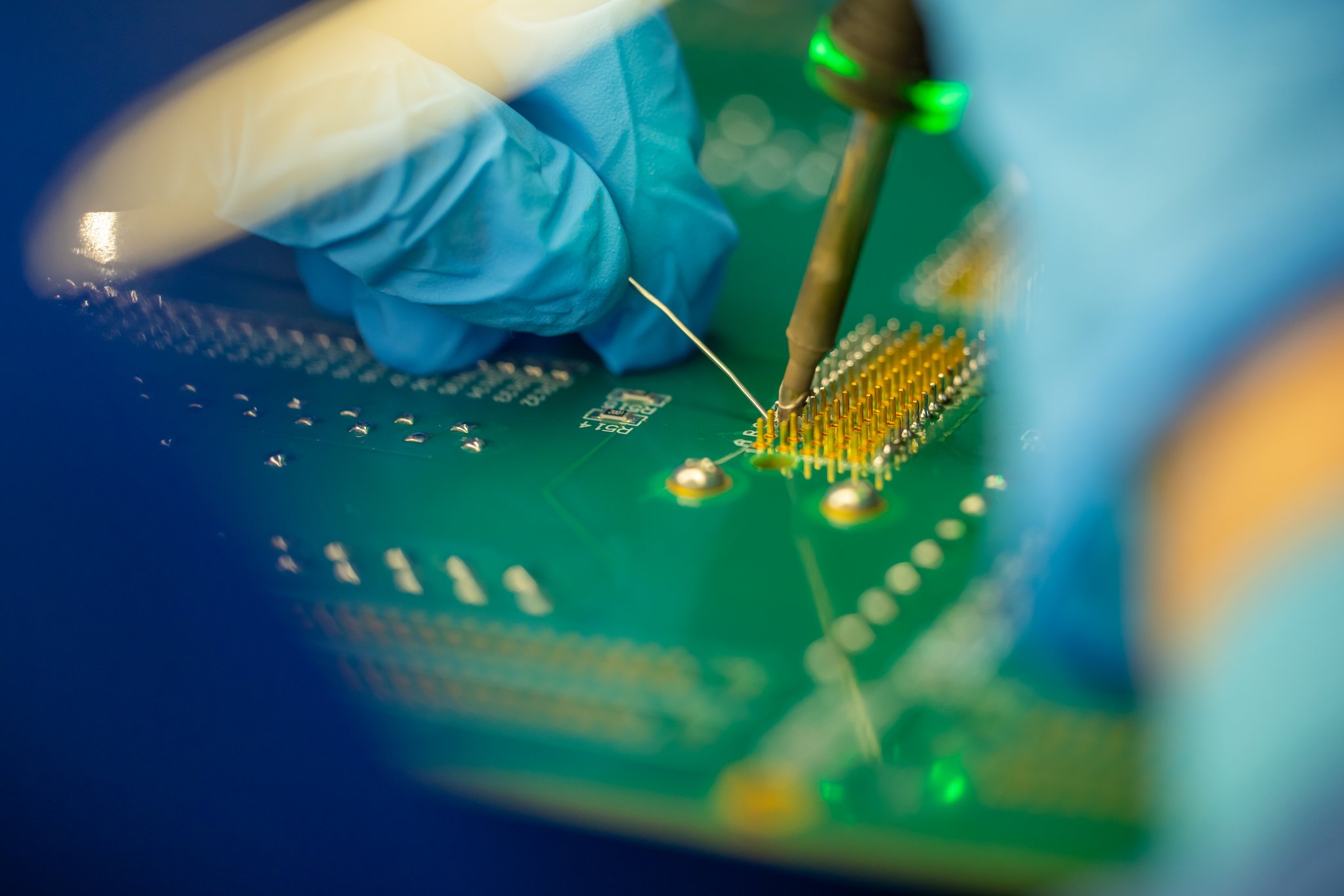
Solder Bridges:Solder that has accidentally connected two adjacent pads, causing a short circuit. Fixed by desoldering and cleaning up the area.
Cold Solder Joints:Joints that are improperly soldered, often resulting in a poor electrical connection. These can be fixed by reflowing the solder or adding more solder to the joint.
Misplaced Components:Components placed in the wrong position or orientation. These are typically fixed by desoldering and repositioning the component.
Component Failure:A component that has failed due to heat, manufacturing defects, or electrical stress. The failed component is removed and replaced with a new one.
Damaged Pads/Traces:Traces that have been damaged or broken during assembly or testing. These are repaired using jumpers, conductive ink, or wire bonding.
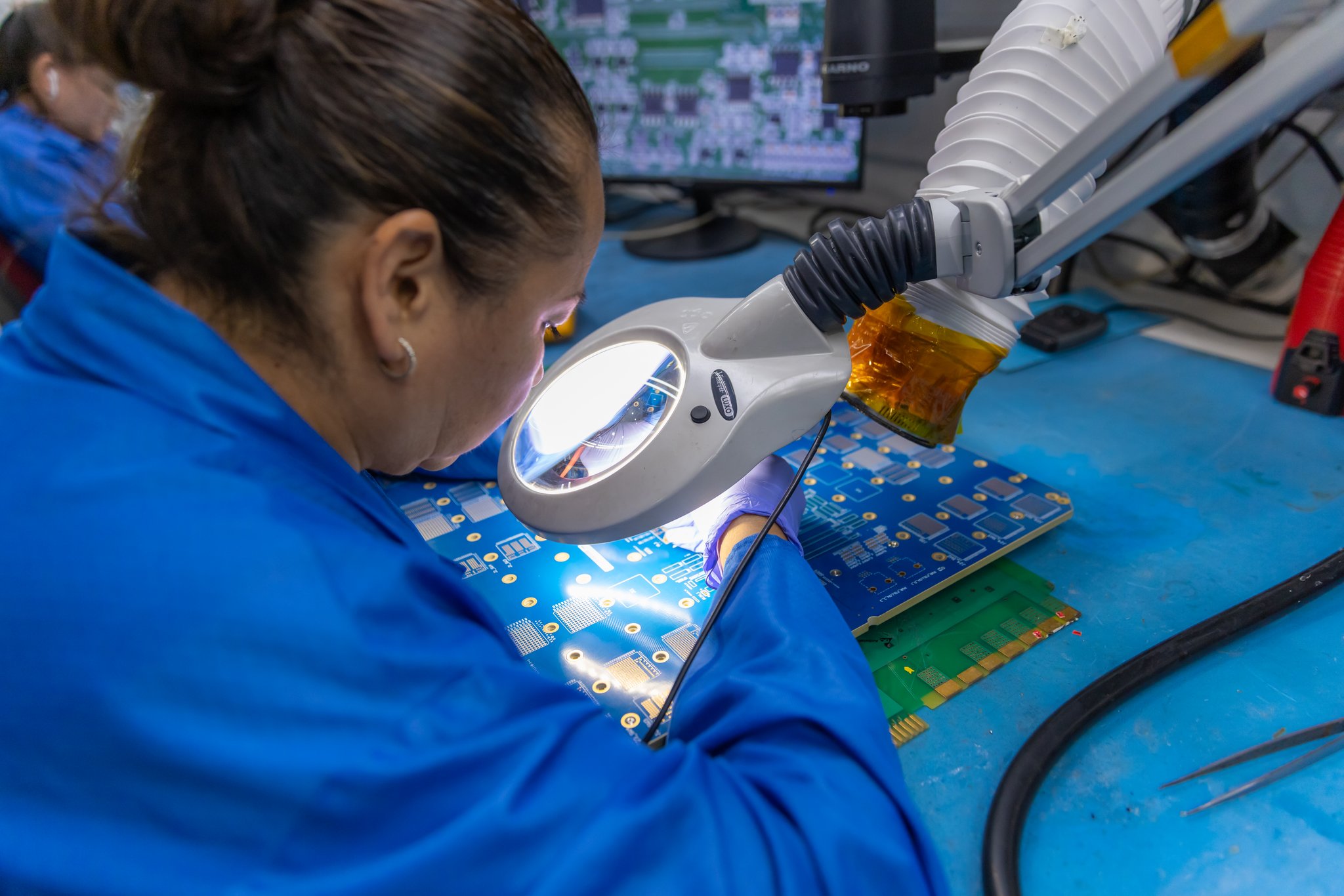
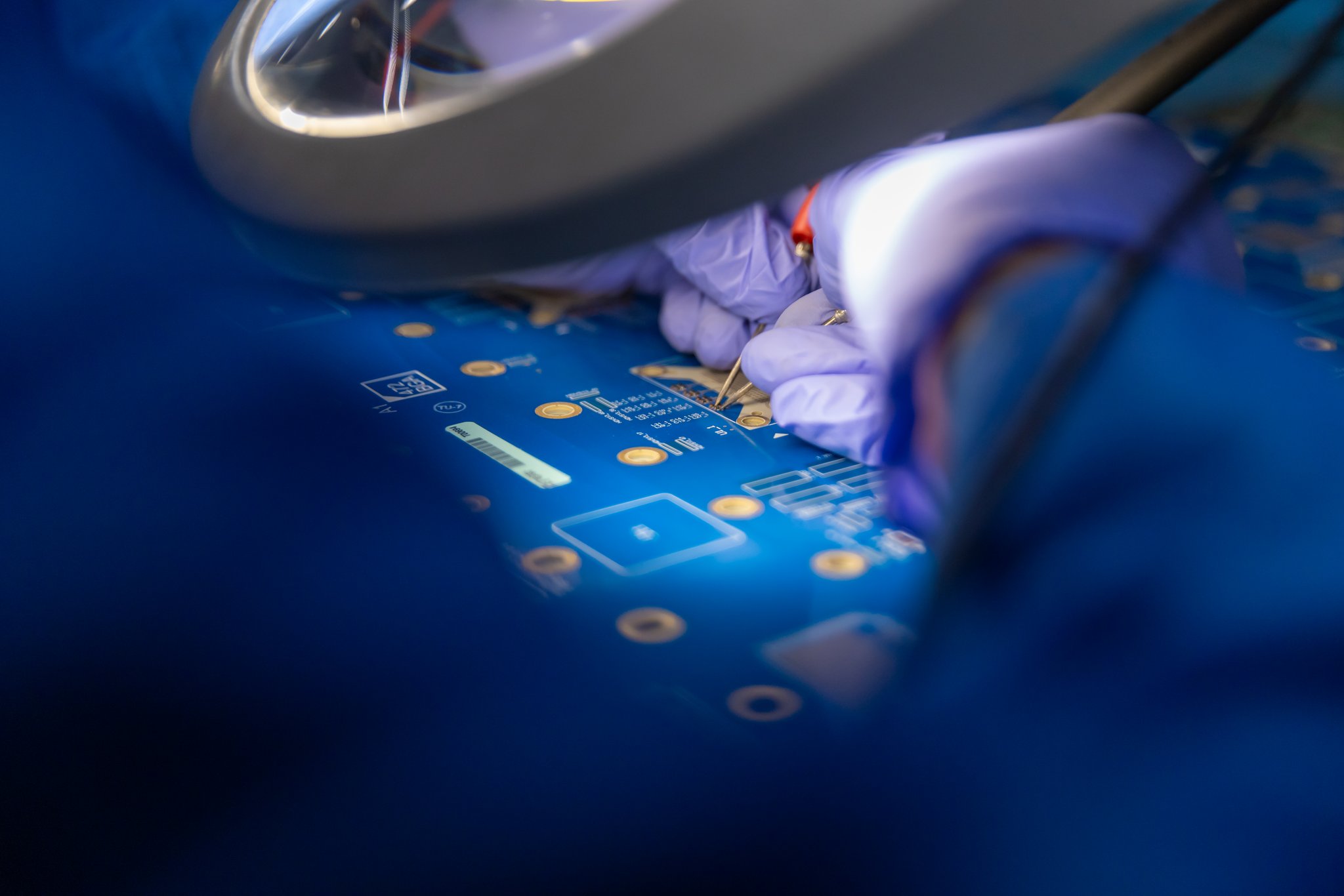
We fix defects, correct errors, or modify PCBAs after it has been manufactured. This is common in electronics production, as it’s rare for every unit to be perfect, especially when dealing with complex circuits, high-density designs, or issues that arise during soldering and component placement.
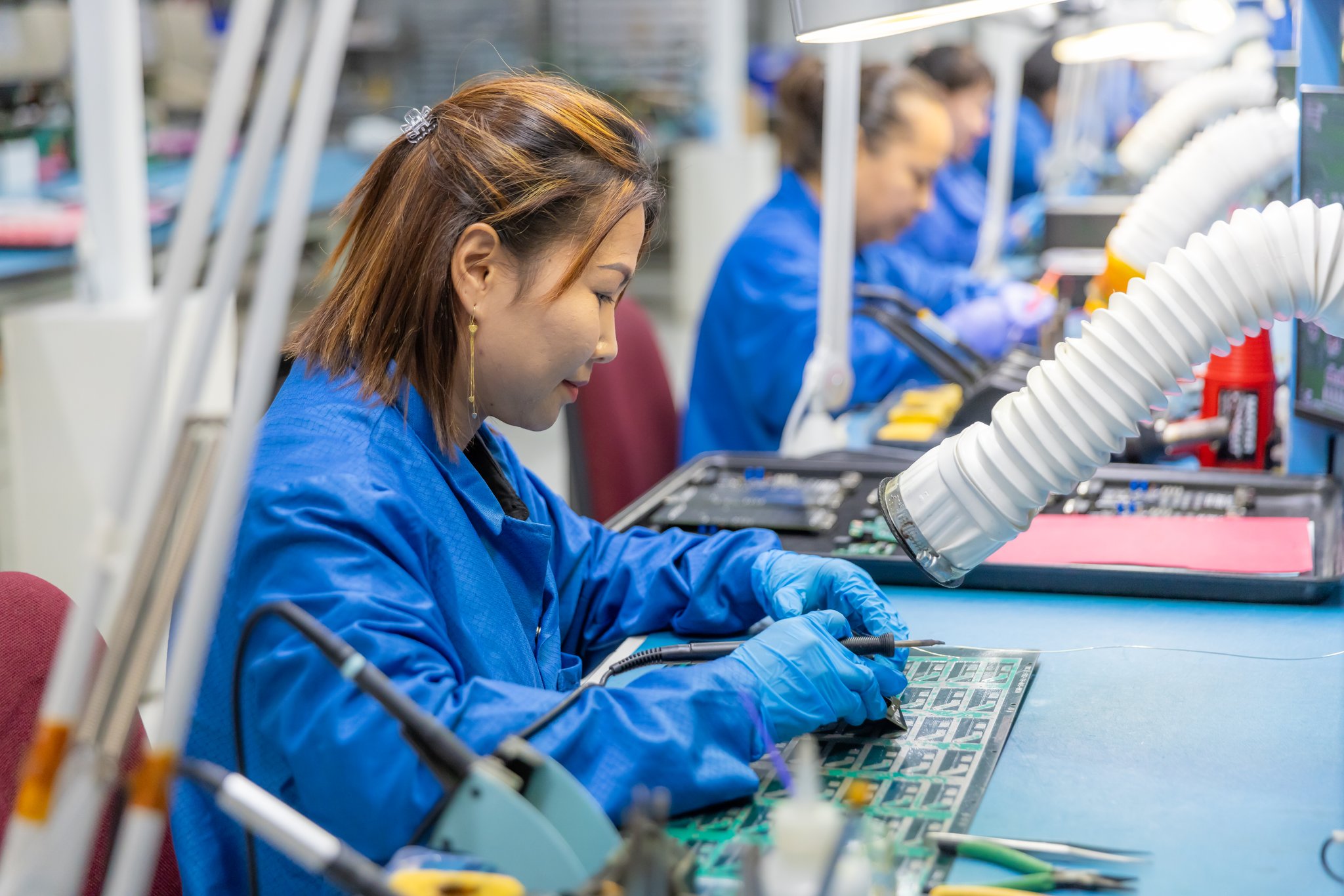
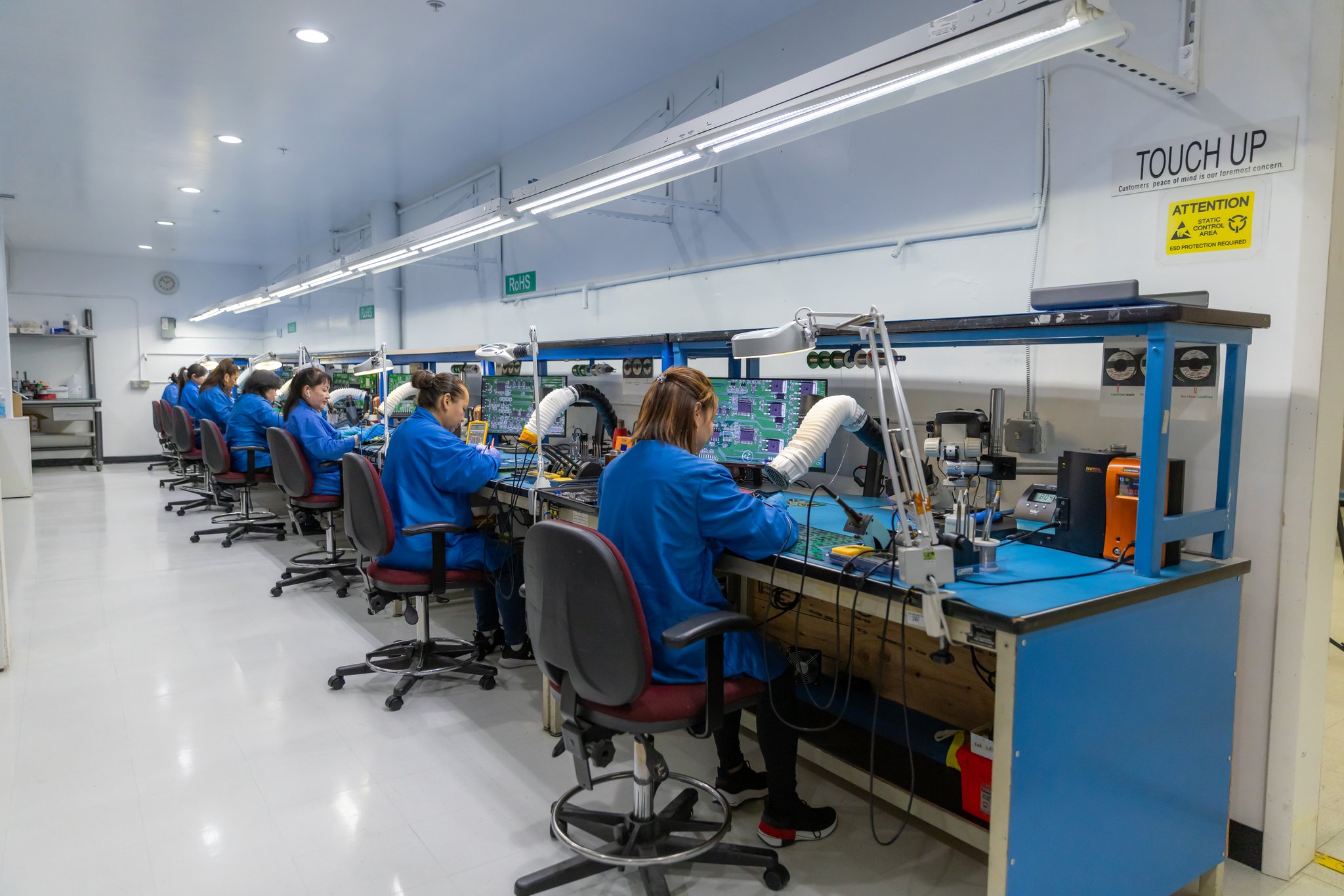
Our PCB Repair & Rework Services help manufacturers recover valuable electronic assemblies without the expense of full replacement. By combining expert diagnostics, precision repair techniques, and rigorous quality testing, we restore your circuit boards to reliable operating condition while minimizing downtime and maximizing return on investment.
Our repair and rework capabilities cover virtually every type of printed circuit board and electronic assembly. Whether your PCB has damaged traces, lifted pads, defective solder joints, missing components, thermal damage, or manufacturing defects, our technicians utilize advanced soldering and micro-rework equipment to restore your board with exceptional accuracy. We specialize in BGA rework, QFN replacement, connector repair, trace reconstruction, pad restoration, via repair, component replacement, circuit modifications, and Engineering Change Order (ECO) implementation. Every repair is performed in accordance with IPC standards to preserve board integrity and long-term reliability.
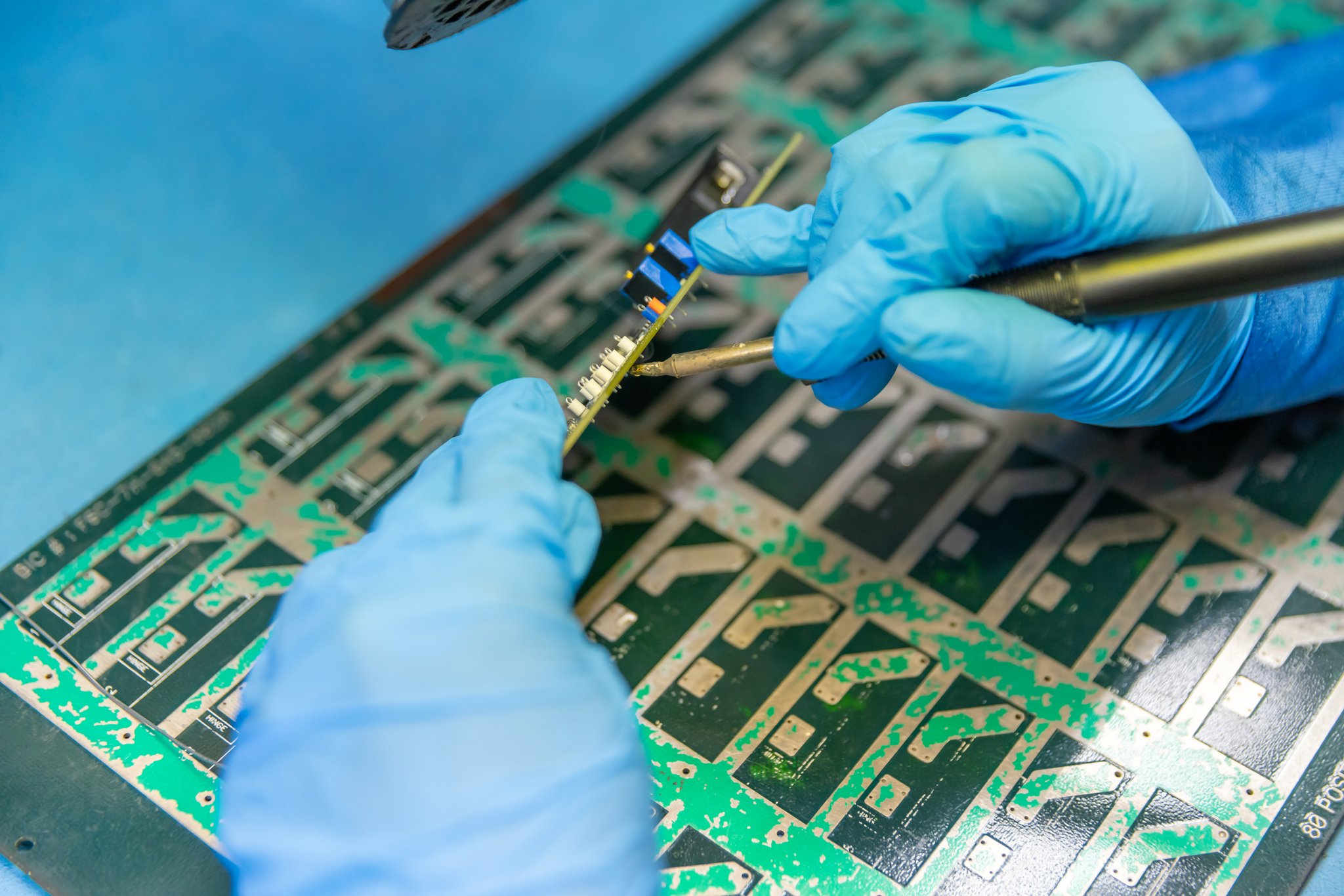
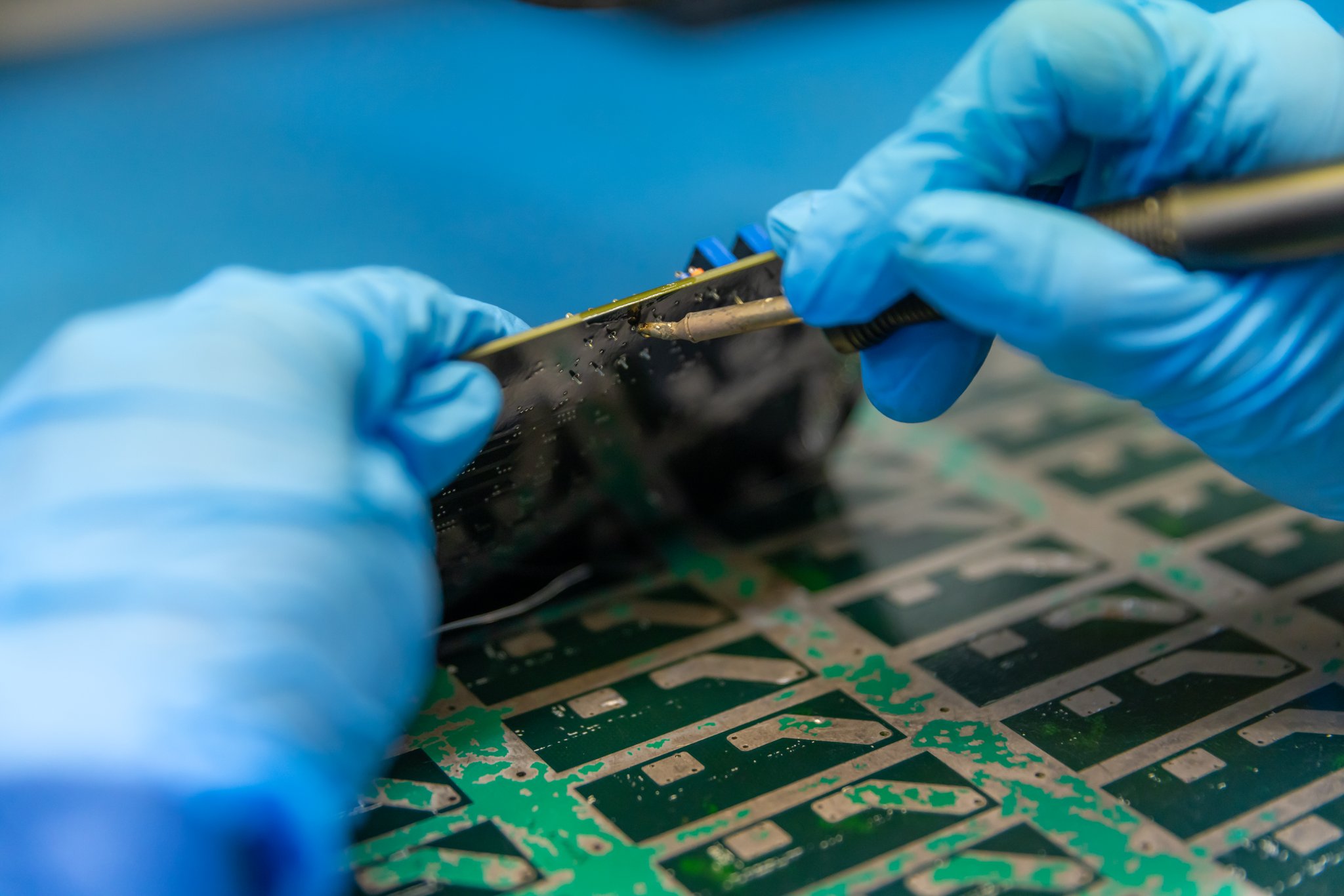
With decades of expertise in PCB engineering, manufacturing, and electronic assembly, Altest Corporation has earned a reputation for delivering reliable repair solutions for even the most complex electronic systems. Our certified technicians, advanced repair equipment, and commitment to engineering excellence enable us to restore high-value electronic assemblies while maintaining compliance with IPC quality standards. From legacy electronics to next-generation technologies, we help customers extend product life, improve reliability, reduce replacement costs, and keep mission-critical systems operating without interruption.
Find answers to common questions about BGA replacement, trace repair, pad restoration, and IPC-7711/7721 compliant rework services.
"Repair" typically refers to restoring the physical and electrical integrity of a damaged board, such as fixing broken traces, burnt laminate, or lifted pads. "Rework" involves replacing or repositioning specific components (like swapping a faulty BGA or updating a chip) without necessarily fixing underlying board damage.
Our certified technicians can repair a wide variety of severe damage, including burnt or severed copper traces, missing surface-mount pads, damaged plated through-holes (PTH), delaminated base materials, and scratched or worn gold edge-contacts (gold fingers).
BGA (Ball Grid Array) rework requires extreme precision. We use highly calibrated, automated BGA rework stations that utilize localized hot air or IR heating. By strictly following custom thermal profiles, we melt the solder underneath the specific BGA to safely lift it, without exceeding the thermal limits of the surrounding components or the board itself.
We restore lifted pads using specialized dry-film epoxy-backed copper replacements. The damaged area is carefully milled flat, the new copper pad is placed and thermally bonded to the FR-4 base under high heat and pressure, and finally micro-welded or soldered to the adjoining trace to restore complete electrical continuity.
Yes. When an internal trace is irreparably severed, we route specialized, highly insulated micro-wires (jumpers) across the surface of the board. These jumpers are securely tacked down using UV-curable epoxy to prevent vibration fatigue, ensuring long-term reliability even in harsh operating environments.
Absolutely. Before we can de-solder components, we utilize safe, specialized chemical solvents, micro-blasting, or thermal peeling techniques to carefully strip the protective conformal coating. Once the rework is completed and inspected, we re-apply the coating to restore the board's environmental protection.
It depends on the board. For cheap consumer electronics, replacement is often better. However, for high-value aerospace hardware, complex telecommunications infrastructure, or legacy systems where manufacturing a single replacement is prohibitively expensive (or the original data files are lost), expert repair is highly cost-effective and essential.
Because the solder joints of a BGA are completely hidden beneath the chip, visual inspection is impossible. We require 100% 3D X-Ray (AXI) inspection on all BGA reworks to verify that the newly reflowed solder spheres are uniform, properly wetted, and completely free of voids or short-circuit bridges.
All our specialized technicians are trained and certified to strictly adhere to IPC-7711/7721 standards (Rework, Modification, and Repair of Electronic Assemblies). This ensures that every pad reconstruction, jumper wire, and component replacement meets the highest globally recognized benchmarks for reliability.
Yes. We frequently perform "Engineering Change Orders" (ECOs) which involve removing obsolete or failing components and replacing them with upgraded, modern equivalents. This is a common practice to extend the lifecycle of legacy hardware, address supply chain shortages, or patch firmware on existing assemblies.
Partner with Altest Corporation for your next high-reliability PCB fabrication and turnkey SMT assembly project. Our engineering team is ready to review your gerber files and provide a detailed, competitive estimate.