We provide a wide range of components to meet your technical needs, from resistors and capacitors to advanced integrated circuits. Whether you’re a hobbyist or a professional, we ensure top-notch service, competitive pricing, and fast delivery. Ready to get started? request a quote and let us help bring your projects to life!
Sustaining Engineering
Test Design & Development
Value Engineering
Regulatory & Quality
Component Inspection and Verification
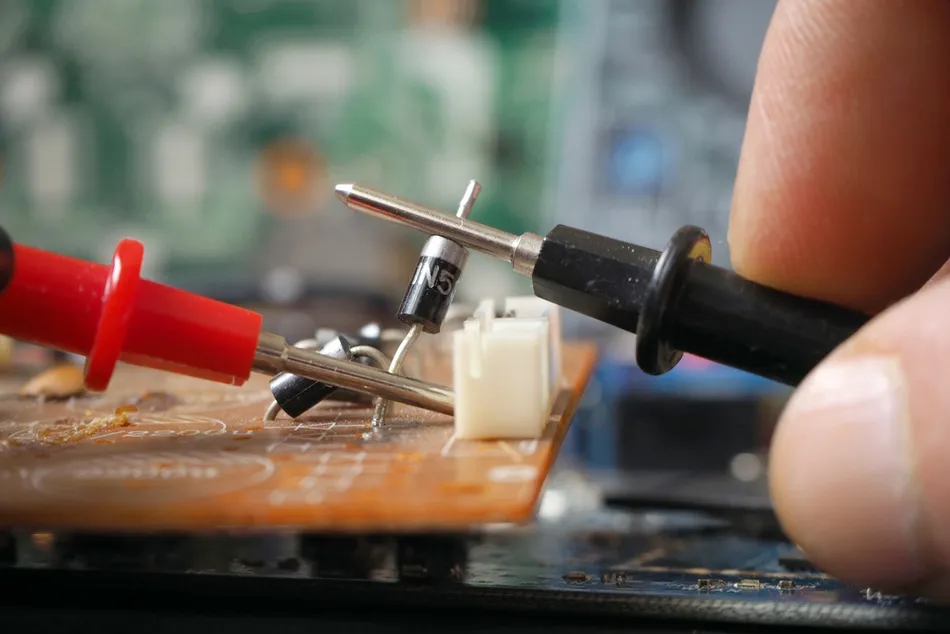
Quality assurance is a critical part of electronic component procurement. Before components enter the manufacturing process, they undergo comprehensive inspection procedures to verify their condition and authenticity.
Electronic Components
Electronic Components for PCB Manufacturing
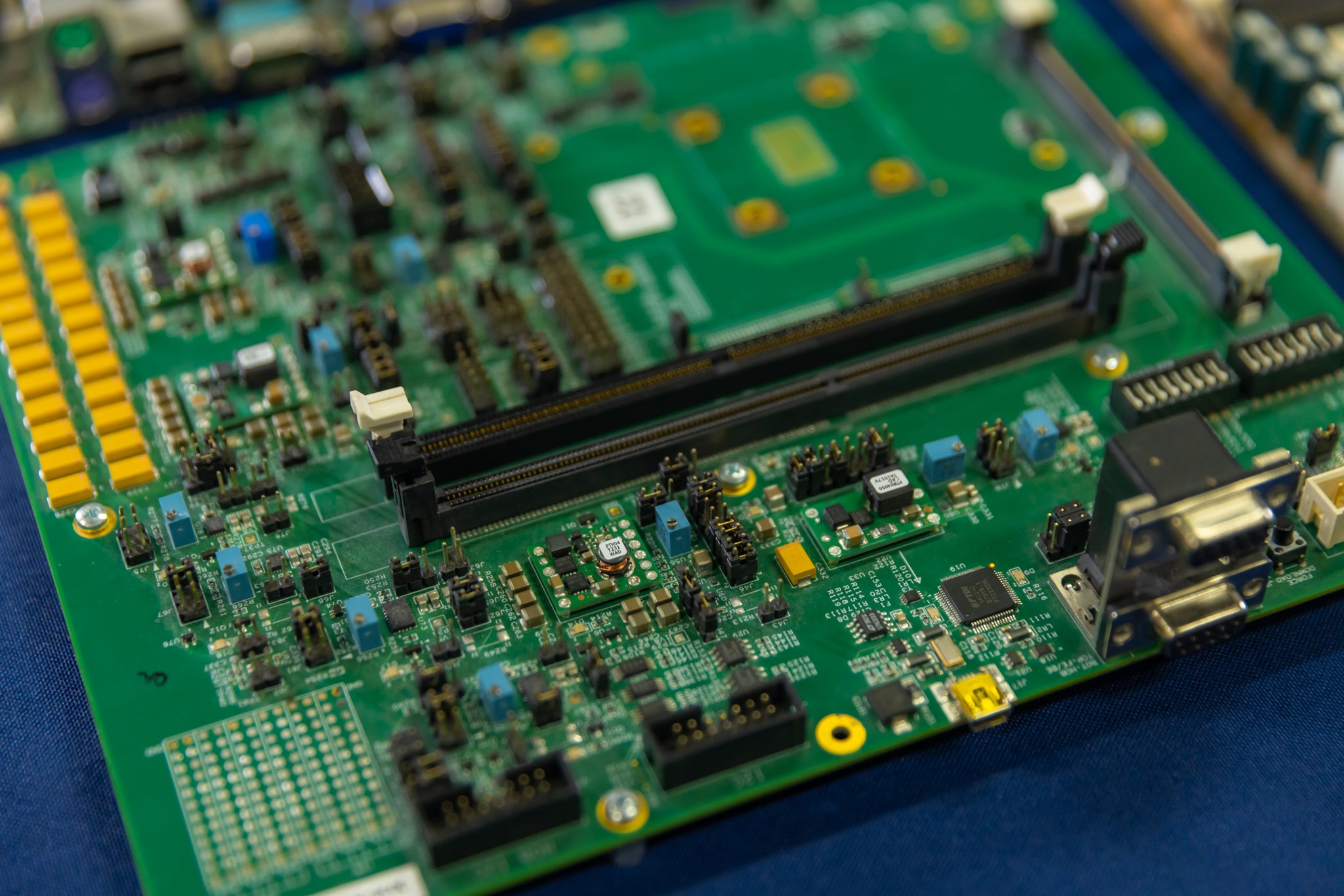
Electronic components are the foundation of every printed circuit board (PCB), transforming a bare circuit board into a fully functional electronic system. Each component is carefully selected based on electrical performance, reliability, operating environment, and application requirements. Whether designing a simple consumer device or a complex aerospace control system, choosing the right components is essential for achieving optimal functionality, long-term durability, and regulatory compliance.
Electronic Components
Types of Electronic Components Used in PCBs
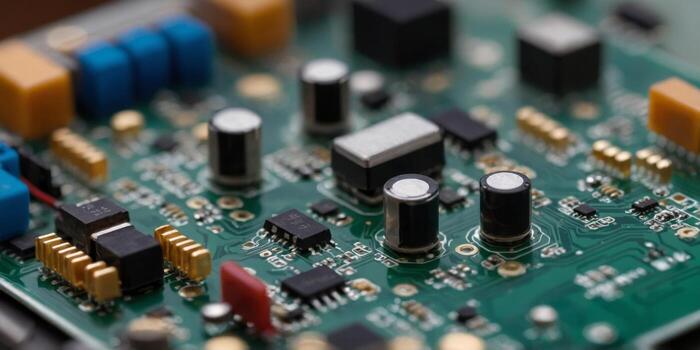
A typical PCB assembly consists of both passive and active electronic components, each serving a unique purpose within the circuit. Common components include.
Resistors:Control current flow and regulate voltage.
Capacitors:Store electrical energy and filter power signals.
Inductors:Manage magnetic fields and reduce electrical noise.
Diodes:Allow current to flow in one direction and protect circuits.
Transistors:Amplify or switch electronic signals.
Integrated Circuits (ICs):Perform complex processing and control functions.
Connectors:Provide secure electrical connections between devices.
Crystal Oscillators:Generate accurate timing and clock signals.
Sensors:Detect environmental changes such as temperature, pressure, or motion.
Power Management Components:Regulate and distribute electrical power efficiently.
Knowledge Base
Electronic Components in PCB
Expert answers to the most common questions regarding component sourcing, placement, and lifecycle management in high-reliability PCB assembly.
1. What is the difference between Active and Passive electronic components?
Active components (like transistors, diodes, and ICs) require an external power source to function and can inject power into a circuit or control electron flow. Passive components (like resistors, capacitors, and inductors) do not require external power; they simply dissipate, store, or release energy.
2. What is SMT (Surface Mount Technology) versus THT (Through-Hole Technology)?
SMT components are mounted directly onto the surface of the PCB, allowing for higher component density, smaller board sizes, and automated high-speed assembly. THT components have physical leads that pass through drilled holes in the board and are soldered on the opposite side, providing stronger mechanical bonds ideal for heavy connectors or high-power components.
3. How do you ensure components are genuine and non-counterfeit?
At Altest Corporation, we source components exclusively from authorized, franchised distributors. For specialized or legacy parts, we utilize strict supply chain traceability and adhere to AS6081 testing guidelines, utilizing XRF material verification, digital microscopy, and decapsulation to guarantee authenticity.
4. What is the importance of a BOM (Bill of Materials)?
The BOM is a comprehensive, exact list of all raw materials, components, assemblies, and sub-assemblies needed to manufacture the PCB. A meticulously scrubbed BOM prevents procurement delays, ensures robotic pick-and-place machines use the correct parts, and helps identify obsolete or End-of-Life (EOL) components early in the quoting phase.
5. What are component footprints and why do they matter?
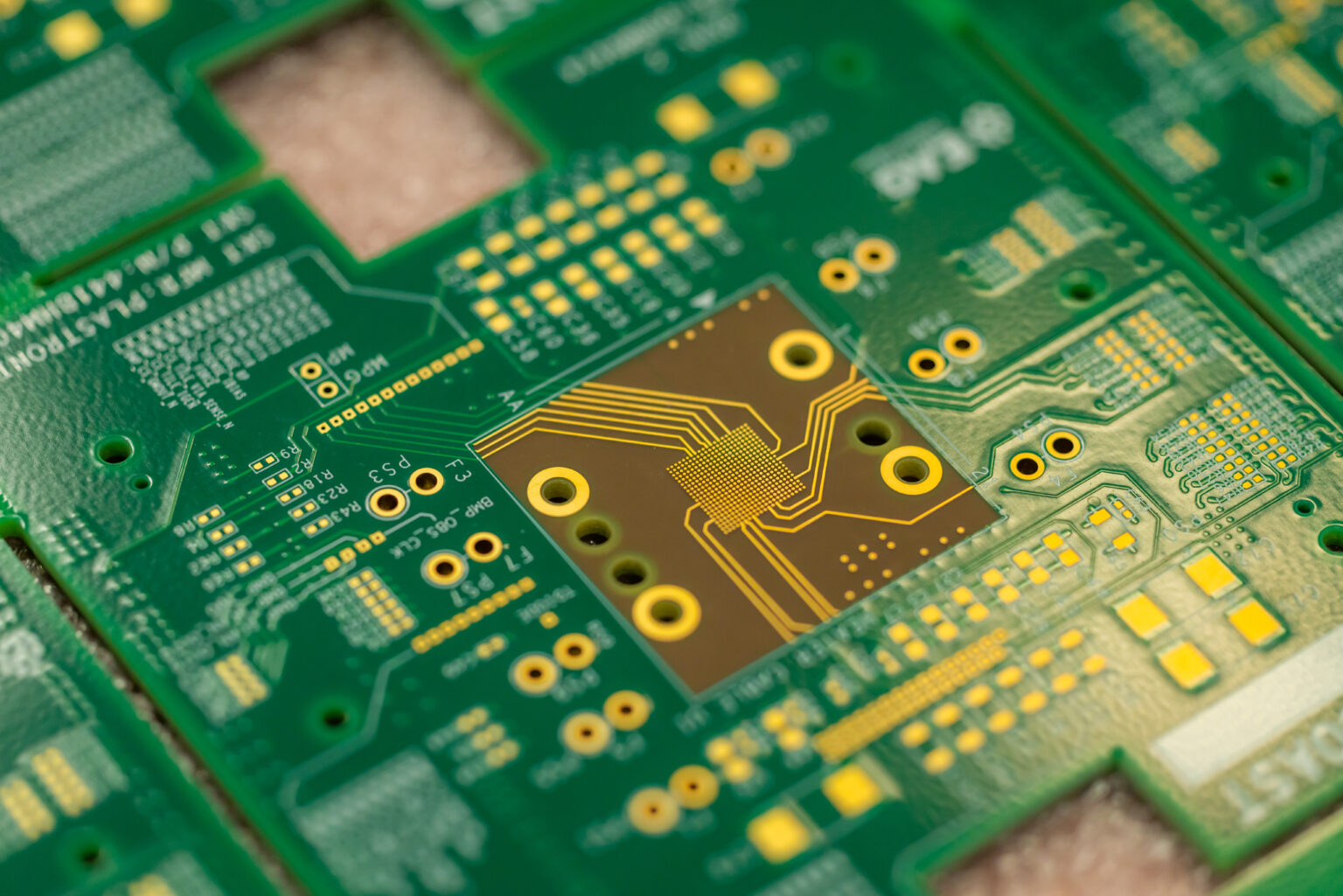
A component footprint is the physical layout of exposed copper pads on the bare PCB where the component will be soldered. Incorrect footprints can lead to severe manufacturing defects like misalignment, tombstoning (where a component stands on end), or solder bridging during reflow. This is why DFM footprint verification is a critical pre-production step.
6. How does moisture affect electronic components before assembly?
Moisture-Sensitive Devices (MSDs) absorb ambient humidity from the air. If these components are not stored in dry cabinets or properly baked before reflow soldering, the rapid expansion of trapped moisture during the high heat of the reflow oven can cause "popcorning" or invisible micro-cracking inside the component package.
7. What is the difference between Leaded and RoHS-compliant components?
RoHS-compliant components are manufactured without restricted hazardous substances, most notably lead. They require specific lead-free solder pastes and slightly higher reflow temperatures during assembly. Leaded components use traditional tin-lead alloys and are still heavily utilized in specific aerospace, military, and medical applications where RoHS exemptions apply to prevent "tin whiskers."
8. What are decoupling capacitors and where should they be placed?
Decoupling capacitors act as local energy reserves that smooth out voltage spikes and filter high-frequency noise entering a microchip. For maximum effectiveness and signal integrity, DFM best practices dictate they must be placed as physically close as possible to the power pins of the ICs they are supporting.
9. How are BGA (Ball Grid Array) components inspected?
Because the solder joints of a BGA are hidden entirely beneath the component body, standard Automated Optical Inspection (AOI) cannot verify them. Instead, we use 3D X-Ray Inspection (AXI) to see through the component package and detect internal solder voids, shorts, or cold solder joints on the pad level.
10. What happens if a required component goes Obsolete (EOL)?
Proactive obsolescence management is key. If a part reaches End-of-Life (EOL), our team works to identify a drop-in replacement (matching form, fit, and function), initiate a lifetime buy of remaining stock, or assist in redesigning the affected portion of the PCB. Our sustaining engineering team helps clients navigate component obsolescence seamlessly to prevent production halts.
Let's Build Together
Request a Custom Quote
Partner with Altest Corporation for your next high-reliability PCB fabrication and turnkey SMT assembly project. Our engineering team is ready to review your gerber files and provide a detailed, competitive estimate.