.jpg)
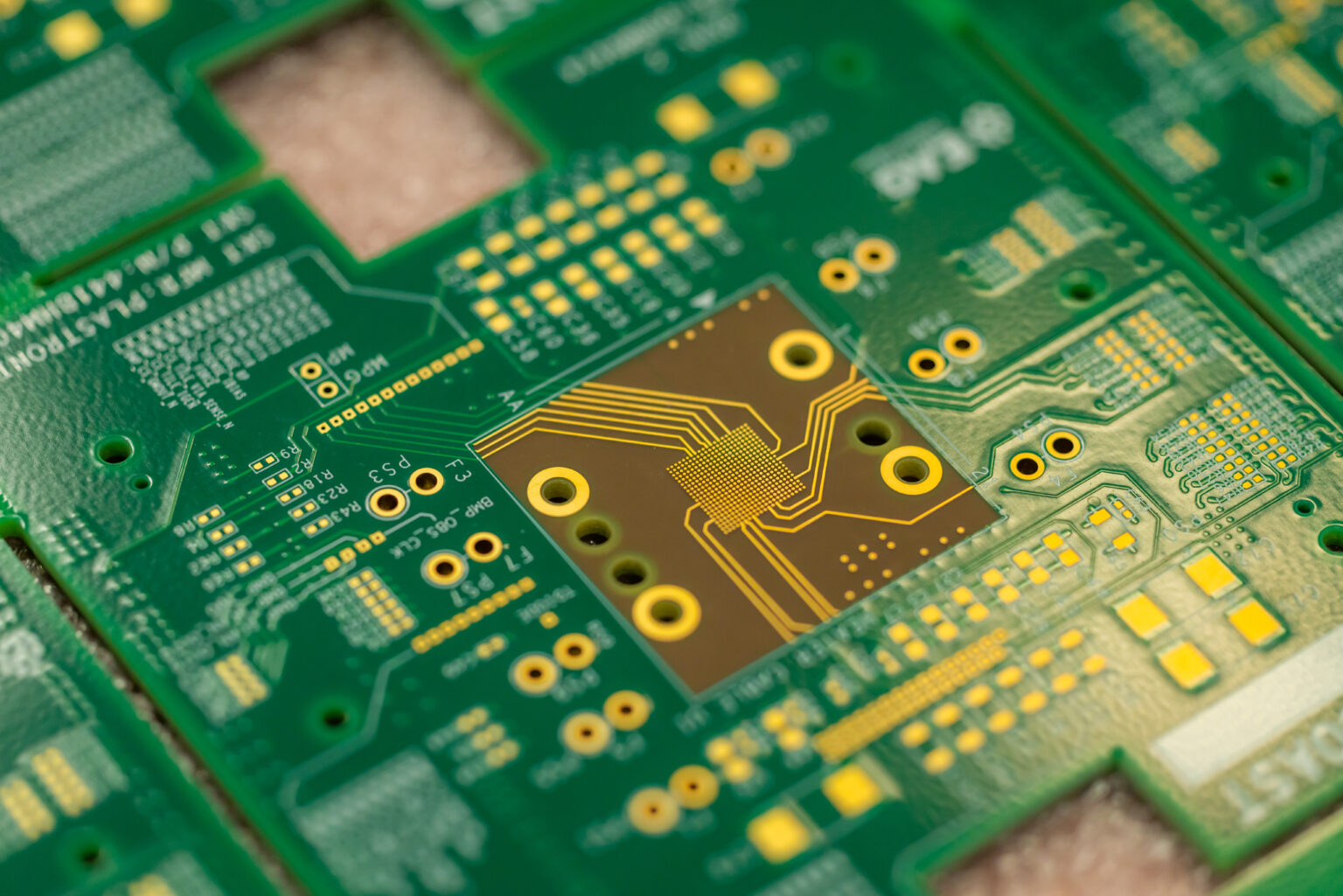
Soldering and Placement: Accurate placement of BGA components on PCBs is essential due to the small size and tight tolerances of the solder balls. Advanced equipment, such as pick-and-place machines, ensures precise alignment and attachment.
Reflow Soldering:After positioning, reflow ovens are used to heat the board, causing the solder balls to melt and form reliable electrical connections. This step is crucial for achieving uniform solder joints.
BGA Rework and Repair Services:Component Removal and Replacement: When BGA components become faulty or need updating, specialized rework equipment can desolder and remove the component without damaging the PCB. After removal, a new BGA component can be soldered in place.
Reballing Services:If solder balls become damaged or require replacement, reballing services allow for removing the old solder balls and attaching new ones. This can be more cost-effective than replacing the entire component, especially for high-value ICs.
PCB layout engineering requires careful consideration of several factors to ensure the final board meets performance, manufacturability, and reliability standards.
.jpg)
Because BGA solder joints are concealed beneath the package, every reworked assembly undergoes extensive inspection and validation. Our quality assurance process includes 2D/3D X-ray inspection, Automated Optical Inspection (AOI), digital microscopy, solder joint integrity analysis, coplanarity verification, electrical continuity testing, impedance verification, functional testing, and thermal profile validation. We evaluate solder voids, head-in-pillow defects, insufficient wetting, bridging, non-wet opens, and ball collapse to ensure every assembly meets IPC acceptance criteria and customer reliability requirements.
Our BGA rework services support mission-critical electronics used in aerospace, defense, medical devices, telecommunications, automotive electronics, industrial automation, AI computing platforms, networking equipment, and semiconductor systems. Whether supporting prototype validation, Engineering Change Orders (ECOs), field failure analysis, warranty repairs, or production rework, our engineering team delivers repeatable, process-controlled solutions that restore full functionality while minimizing risk to valuable electronic assemblies.
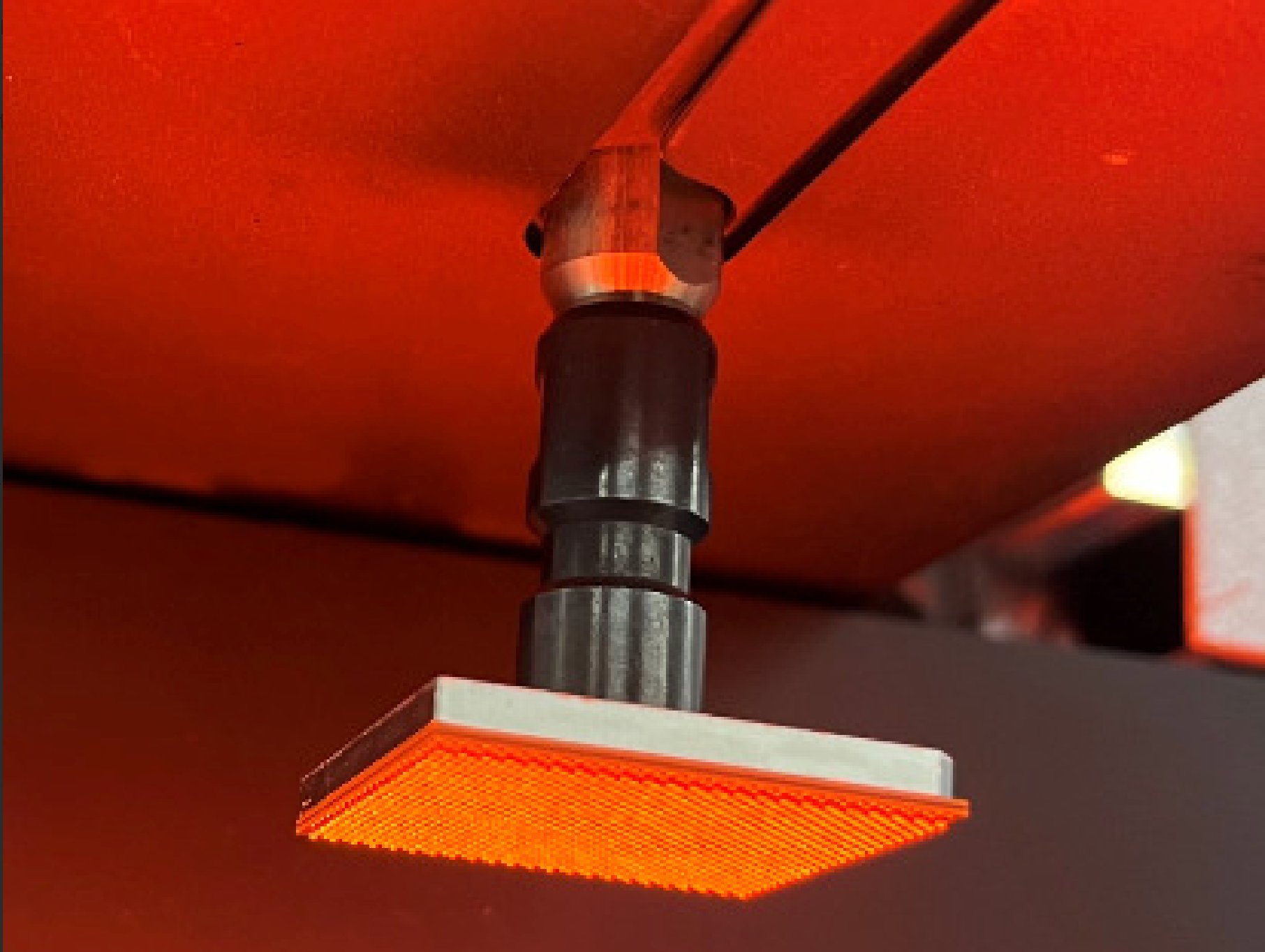
Successful BGA rework requires far more than replacing a component—it demands precise thermal management, accurate alignment, controlled solder metallurgy, and rigorous inspection. By combining advanced rework equipment, IPC-certified workmanship, and comprehensive quality verification, Altest Corporation delivers high-reliability BGA rework solutions that meet the stringent requirements of today's most advanced electronic products.
Find answers to common questions about BGA replacement, custom thermal profiling, reballing techniques, and 3D X-Ray inspection.
BGA (Ball Grid Array) rework is the highly precise process of removing, replacing, or reballing a BGA component on a printed circuit board. Because the solder joints are completely hidden beneath the chip, it requires specialized automated equipment and highly controlled thermal environments to execute safely without damaging the board.
Common causes for BGA failure include bridging (shorts) between adjacent solder spheres, insufficient solder wetting (opens), excessive voiding inside the joints, thermal fatigue cracking over time, or simply the need to upgrade an obsolete or faulty chip (Engineering Change Order).
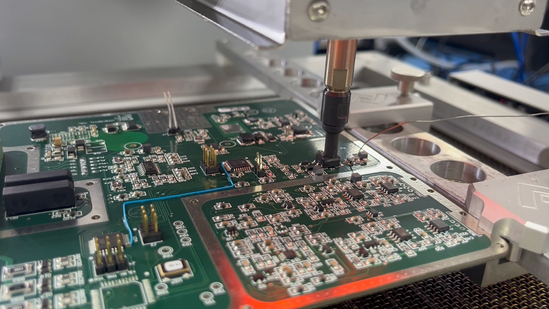
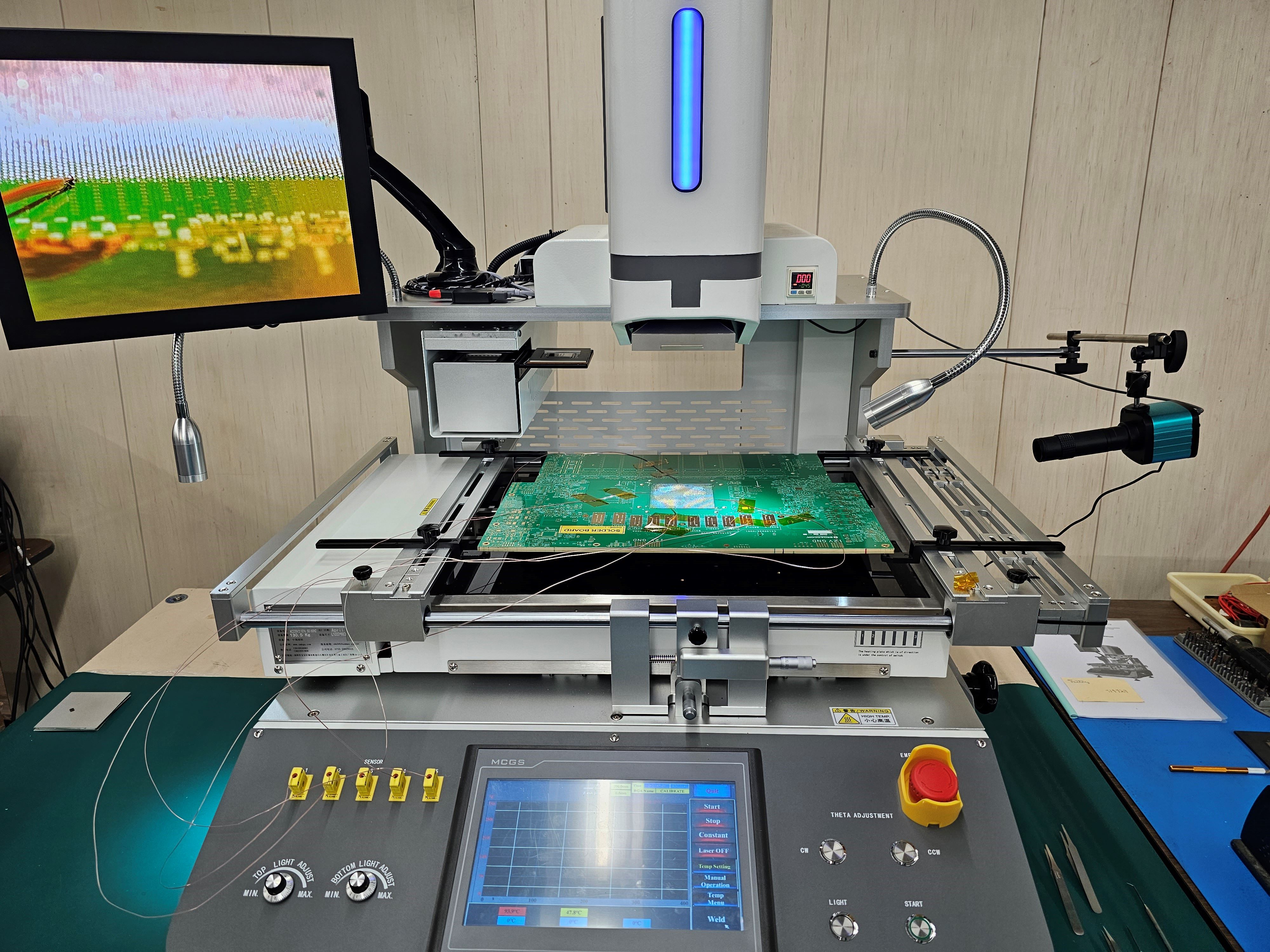
We use highly calibrated, automated BGA rework stations. By applying a custom, tightly controlled thermal profile—using localized hot air on top and broad IR heating underneath—we melt the specific BGA's solder joints without exceeding the thermal limits of the surrounding components or delaminating the PCB pads.
Reballing is the process of removing an existing BGA component, meticulously cleaning the old solder off its bottom pads, and attaching a completely new array of solder spheres. This is frequently done when a valuable or hard-to-source chip needs to be salvaged, upgraded to a different solder alloy, and placed back onto a board.
Because visual inspection is impossible for BGAs, we rely entirely on state-of-the-art High-Resolution 3D X-Ray Inspection (AXI). This allows us to see "through" the silicon and FR-4 to verify that every single solder sphere is perfectly formed, fully wetted, and free of shorts or unacceptable voiding.
Yes. Our advanced rework stations use precision micro-nozzles and localized heating shrouds. This allows us to safely direct airflow and rework fine-pitch BGAs even when they are surrounded by tiny 01005 passive components or delicate plastic connectors, resulting in zero collateral damage.
A thermal profile is a programmed sequence of temperature zones (pre-heat, soak, reflow, and cooling) over time. If a board is heated too quickly, it warps; if it gets too hot, the silicon die dies. We engineer custom thermal profiles with strategically placed thermocouples for *every* unique board and BGA package to ensure safe, factory-quality reflow.
If a pad was torn during a previous failure or improper removal attempt, our IPC-7711/7721 certified technicians can repair it. We surgically mill the damaged area flat, thermally bond a new epoxy-backed copper pad in its place, and restore the internal trace connection before placing the new BGA.
We fully support both. Depending on your industry requirements (e.g., aerospace and military often require SnPb leaded solder for tin-whisker mitigation, while commercial electronics require RoHS-compliant lead-free SAC305), we will match the exact solder alloy to your specific assembly standard.
Yes, but it adds a preparatory step. Before applying heat, we must safely remove the epoxy underfill or conformal coating around the target BGA using specialized chemical solvents or localized micro-blasting. This ensures the chip can be lifted cleanly without tearing the board's surface or pulling up adjacent pads.
Partner with Altest Corporation for your next high-reliability PCB fabrication and turnkey SMT assembly project. Our engineering team is ready to review your gerber files and provide a detailed, competitive estimate.