

.jpg)
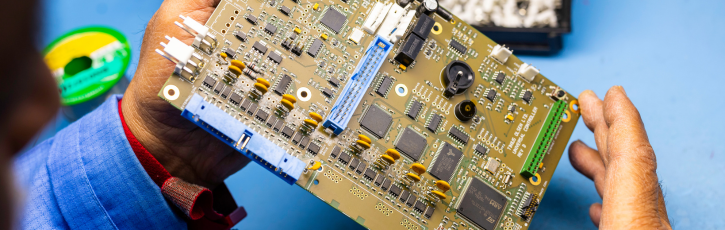
The significance of mixed materials in PCB fabrication cannot be overstated. For one, this approach allows for greater flexibility in design. Engineers can select materials that provide specific benefits—such as improved thermal conductivity or dielectric properties—based on the application.
At Altest Corporation, we specialize in the design and manufacturing of Mixed Material PCBs engineered for applications that demand exceptional electrical performance, thermal stability, and mechanical reliability.
Manufacturing mixed-material PCBs requires specialized processes, tight process controls, and extensive engineering expertise.
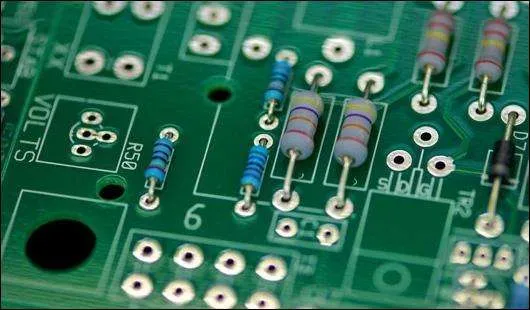
Mixed materials in PCB fabrication:The evolution of mixed materials in PCB fabrication reflects a broader trend towards customization. Industries are increasingly demanding PCBs that not only fit into smaller spaces but also withstand harsher environments. By understanding these needs.
Why Mixed Materials Matter:The significance of mixed materials in PCB fabrication cannot be overstated. For one, this approach allows for greater flexibility in design. Engineers can select materials that provide specific benefits—such as improved thermal conductivity or dielectric properties—based on the application.
Enhanced Performance and Reliability:One of the primary advantages of mixed materials PCB fabrication is the enhancement of performance and reliability. By using a combination of materials, it is possible to create PCBs that offer superior electrical performance, reduced signal loss, and improved thermal management.
Aluminum & copper base materials:Copper-based PCB is the most expensive of all metal substrates, while aluminum PCB costs are relatively low. Different users and different use environments can choose different substrates. 2. Copper-based PCB has a relatively long service life due to its intense heat dissipation and thermal conductivity.
Improved Thermal Management:Thermal management is a critical consideration in PCB design, particularly for high-power applications. Mixed materials PCB fabrication offers enhanced thermal performance by allowing engineers to select materials with superior heat dissipation properties.
Environmental Considerations and Sustainability:Sustainability is a growing concern across all industries, and mixed materials PCB fabrication offers several environmental benefits. By optimizing material usage and improving efficiency, manufacturers can reduce their carbon footprint and support more sustainable manufacturing practices.
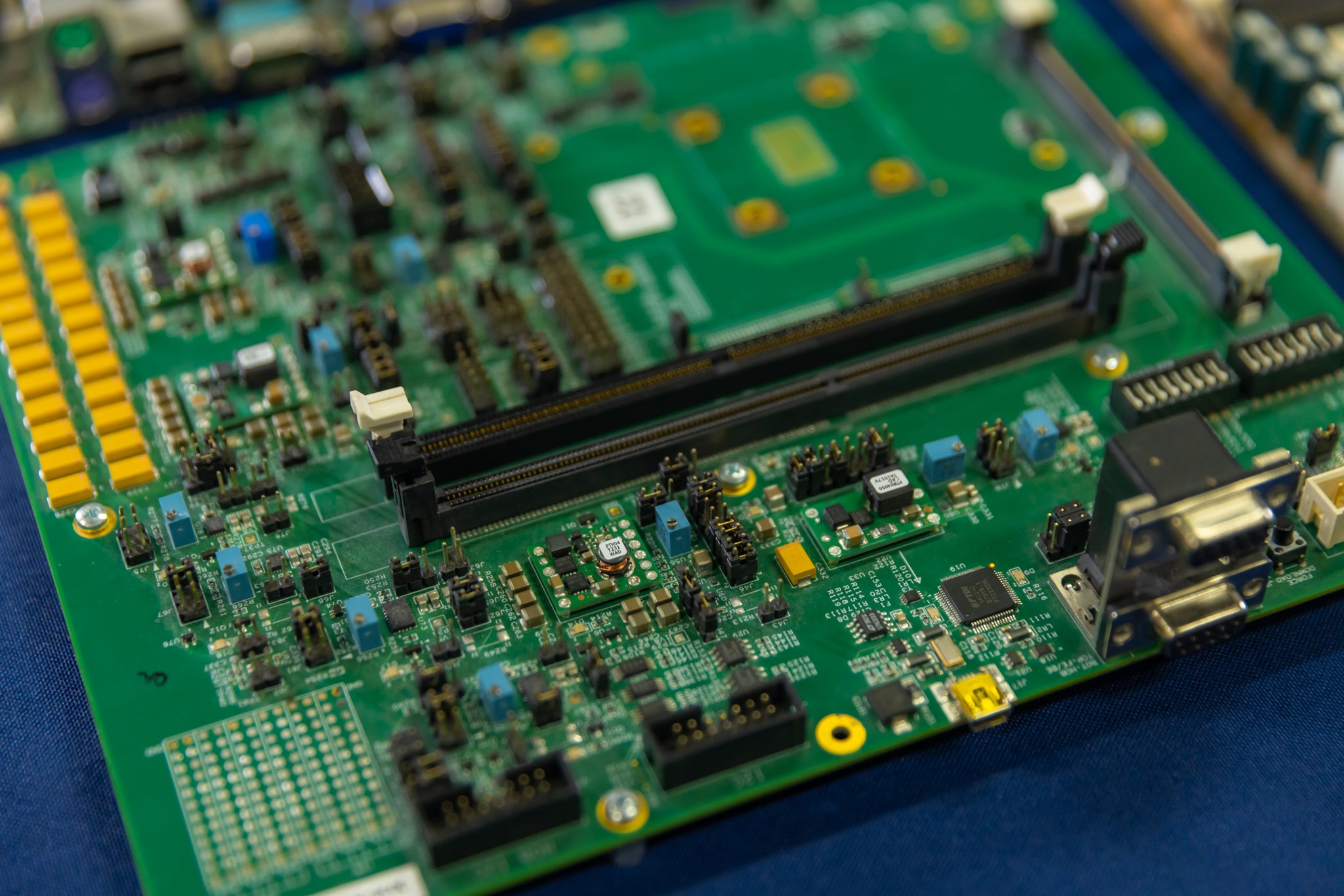
With decades of experience in advanced PCB engineering and electronic manufacturing, Altest Corporation delivers customized mixed-material PCB solutions for some of the world's most demanding applications. From initial engineering consultation and stack-up design to fabrication, assembly, inspection, and full turnkey manufacturing, we provide end-to-end support that helps customers accelerate product development while maintaining exceptional quality.
Find answers to common questions about hybrid stackups, CTE management, delamination prevention, and combining high-frequency laminates with standard FR-4.
A mixed-material or "hybrid" PCB is a printed circuit board that combines dissimilar dielectric materials within the exact same multi-layer stackup. For example, it might feature high-frequency, low-loss materials (like Rogers or Teflon) on the outer layers for RF signals, while utilizing standard FR-4 fiberglass for the inner power, ground, and digital routing layers.
The primary reason is cost optimization without sacrificing performance. High-frequency RF laminates are significantly more expensive than standard FR-4. By strategically placing the premium materials only on the layers where high-speed signal integrity is critical, and using FR-4 for the rest of the board's structural and low-speed needs, you achieve top-tier performance at a fraction of the cost.
The most critical challenge is managing the mismatched Coefficient of Thermal Expansion (CTE). Dissimilar materials expand and contract at different rates when exposed to the extreme heat of the lamination press or SMT reflow ovens. If not expertly managed, this CTE mismatch causes severe board warpage, layer delamination, and fractured via barrels.
The most frequent combination we manufacture involves pressing high-reliability, High-Tg FR-4 cores (such as Isola 370HR) alongside high-frequency PTFE or ceramic-filled hydrocarbon laminates (such as the Rogers RO4000 or RO3000 series). We also routinely combine standard rigid FR-4 with flexible Polyimide (PI) to create Rigid-Flex hybrid boards.
Preventing delamination requires immense process engineering. We utilize specialized prepregs (binding resins) that are chemically compatible with both material families. Furthermore, we develop custom, highly-controlled lamination press cycles—meticulously adjusting temperature ramp rates, pressure distribution, and vacuum dwell times to ensure a flawless, permanent physical bond.
Yes. Because materials like Teflon are very soft and FR-4 glass-weave is very hard, a drill bit passing through both experiences extreme variations in friction. We must program custom CNC drill feeds and speed rates, and change drill bits much more frequently, to prevent resin smearing and ensure the via walls are perfectly smooth for reliable copper plating.
Absolutely. We can deploy advanced HDI techniques, including laser-drilled microvias and mechanically drilled blind/buried vias within mixed-material stackups. However, this requires careful sequential lamination planning by our CAM engineers to ensure via structures maintain integrity when crossing distinct material boundaries.
Yes, they are exceptionally reliable when engineered correctly. Mixed-material boards are the backbone of modern aerospace radar systems, 5G base stations, automotive collision-avoidance radar, and satellite downlinks—environments where high-frequency signal integrity and rugged physical durability are both non-negotiable.
Achieving precise impedance requires advanced modeling since different materials have different Dielectric Constants (Dk). Our front-end engineering team recalculates and dynamically adjusts your trace widths and spacing as signals transition from an FR-4 layer (higher Dk) to a Rogers layer (lower Dk), guaranteeing zero signal reflection.
To provide an accurate quote and ensure manufacturability, we need your complete Gerber (RS-274X) or ODB++ files, an NC Drill file, and a highly detailed fabrication drawing that explicitly outlines the required layer stackup, specific material brands/types for each core, and any target impedance control profiles.
Partner with Altest Corporation for your next high-reliability PCB fabrication and turnkey SMT assembly project. Our engineering team is ready to review your gerber files and provide a detailed, competitive estimate.