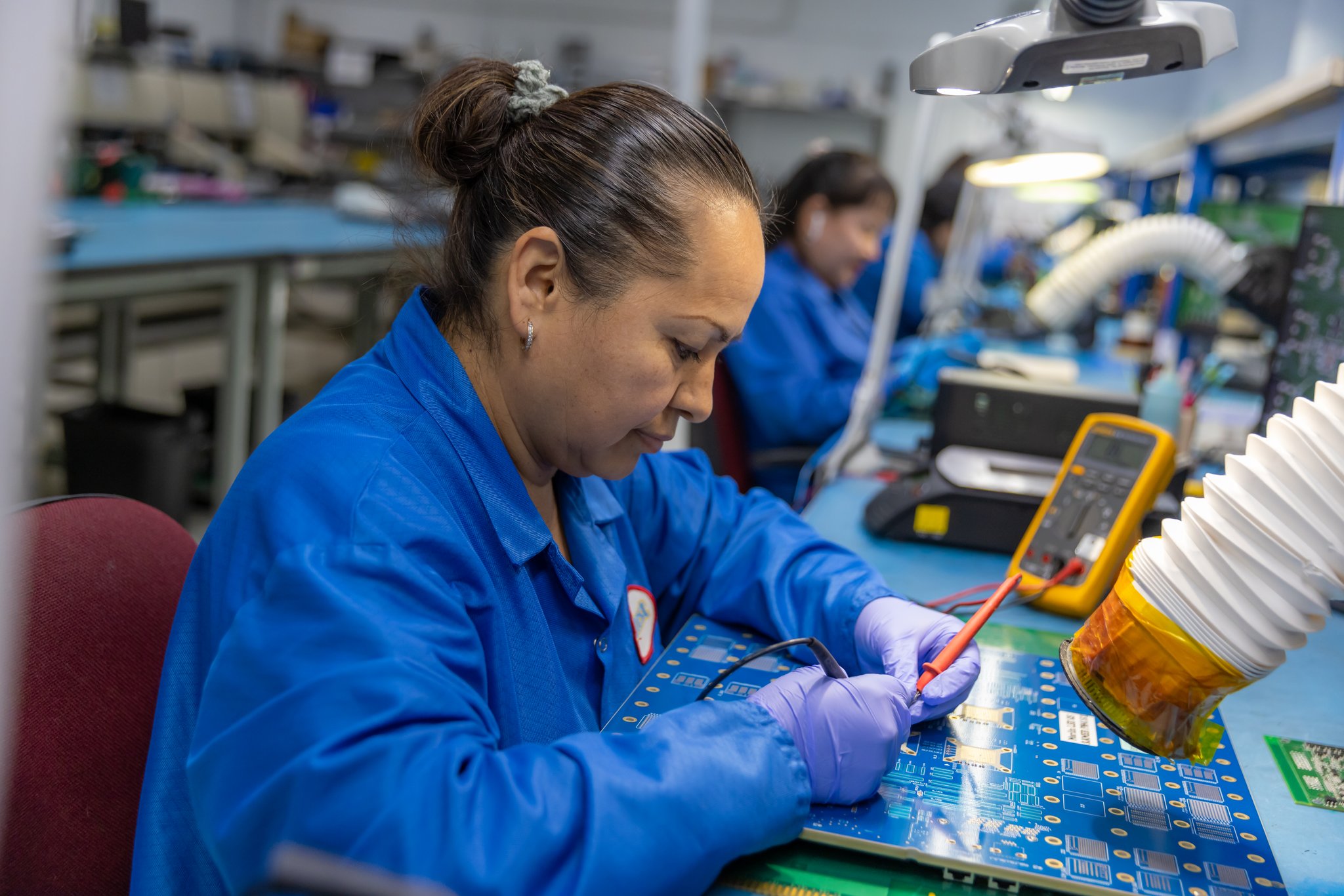


Verifies Design Compliance:Ensures the PCBA functions as intended.
Enhances Reliability:Identifies defects early for improved performance.
Reduces Failures::Detects faults before deployment.
Ensures Component Compatibility::Confirms all parts work together.
Validates Electrical Performance:: Aligns with required specifications.
Functional Testing forms part of our comprehensive manufacturing quality strategy and is integrated with multiple inspection and validation technologies to ensure complete product reliability.

Unlike In-Circuit Testing (ICT), which validates individual circuits, Functional Testing evaluates the complete electronic assembly as an integrated system. Our engineers develop customized test procedures based on schematics, firmware, product specifications, and customer-defined acceptance criteria. Testing includes power sequencing, voltage regulation, current consumption, analog and digital I/O validation, clock stability, reset circuitry, processor initialization, memory integrity, FPGA verification, sensor calibration, communication protocol validation, and peripheral interface testing. Each product is evaluated under its intended operating conditions to ensure stable functionality and consistent performance.
Our test engineering team develops scalable production test solutions that integrate seamlessly into prototype builds, New Product Introduction (NPI), low-volume manufacturing, and high-volume production. Each test program is optimized to maximize fault coverage, reduce cycle time, and improve manufacturing throughput while maintaining exceptional test accuracy.
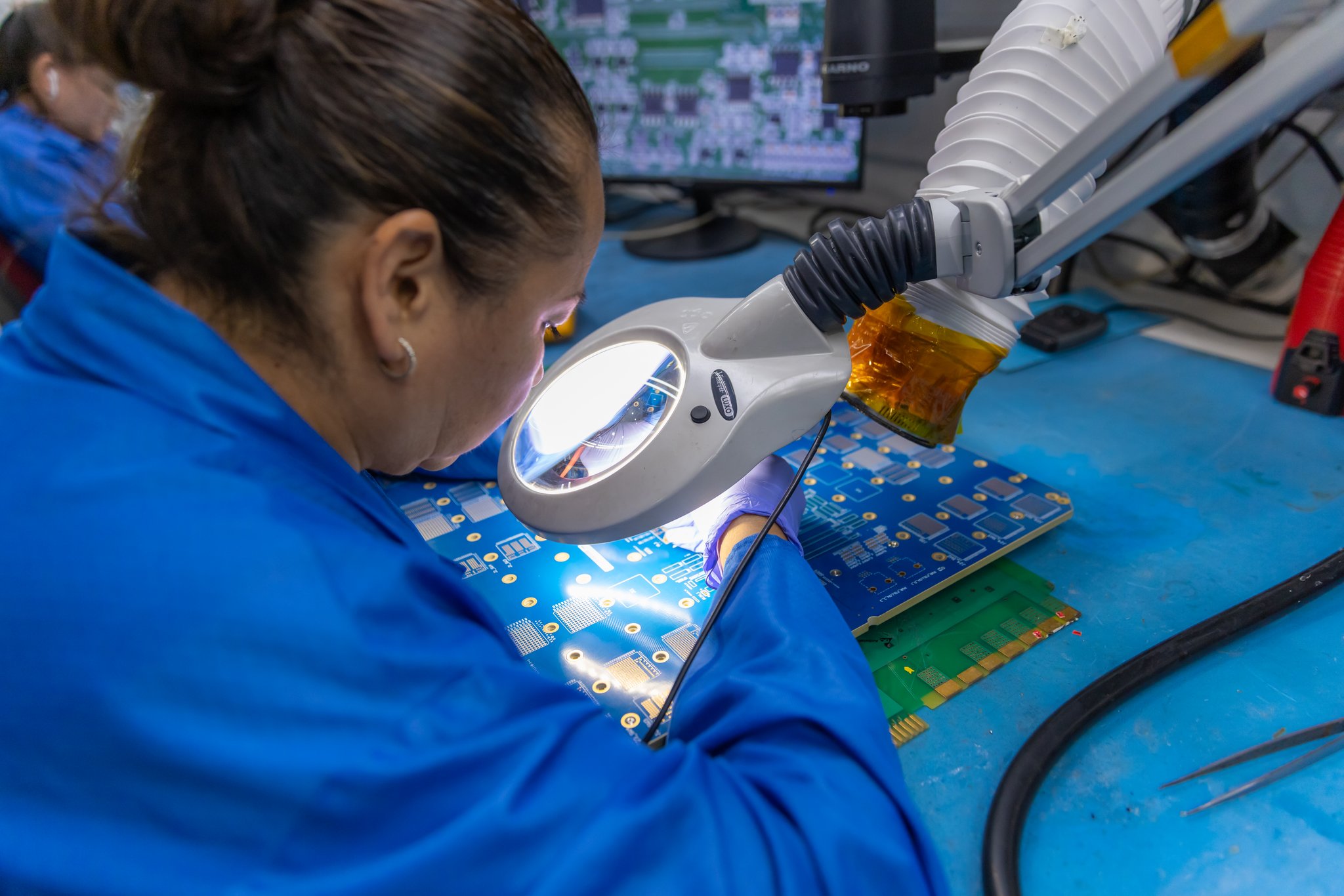
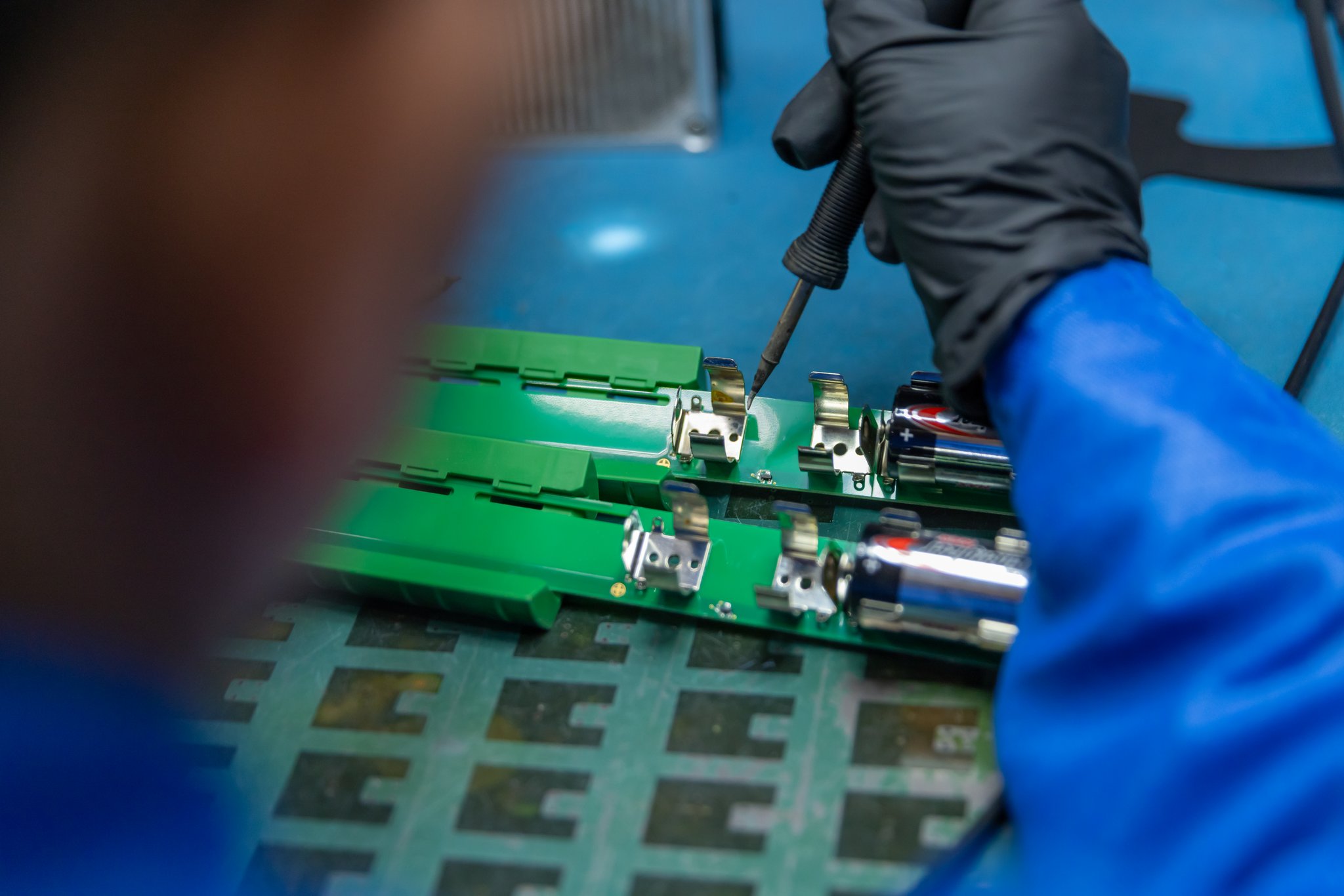
Our experienced Test Engineers, Manufacturing Engineers, and Quality Specialists develop customized functional testing solutions that align with your product architecture, manufacturing process, and regulatory requirements. By combining advanced automated test equipment, intelligent software development, and IPC-compliant manufacturing practices, we deliver exceptional product quality while reducing production costs and accelerating time-to-market.
Find answers to common questions about system-level simulation, custom test fixtures, boundary scan (JTAG), and firmware validation.
Advanced Functional Testing is a comprehensive validation method that simulates the final operating environment of the PCB to ensure it behaves exactly as designed. It goes beyond checking for manufacturing defects (like AOI or X-Ray) to actually power up the board, inject input signals, and verify the correct electrical and logical output responses.
In-Circuit Testing (ICT) measures individual components (resistors, capacitors) and verifies solder joints using a bed-of-nails fixture without fully powering the logic circuits. It checks if the board was *assembled* correctly. Functional Testing (FCT) powers the entire board to verify that the integrated circuit *works* as a complete, functioning system.
Functional testing is typically the final quality gate in the PCBA process. It is performed after all SMT placement, through-hole assembly, AOI, 3D X-Ray, and visual inspections are complete. This guarantees the board is 100% operational before it proceeds to box build integration, conformal coating, or final shipping.
While you are welcome to provide your own dedicated test rigs, our engineering team specializes in developing turnkey functional test solutions. We can design custom physical test fixtures, machine bed-of-nails adapters, and write automated test scripts (using LabVIEW, TestStand, or Python) tailored specifically to your product's requirements.
Yes. Advanced FCT setups seamlessly integrate software validation. Our systems can flash the latest firmware or bootloaders onto microcontrollers, boot the operating system, verify memory integrity, and run automated diagnostic routines to ensure the software interacts perfectly with the physical hardware.
Our advanced test stations are equipped to inject and analyze a massive spectrum of signals. This includes high-frequency RF signals, complex communication protocols (CAN, LIN, I2C, SPI, Ethernet), variable power loads, high-voltage outputs, and even optical or acoustic responses for specialized sensors.
It depends entirely on the application and your risk tolerance. For high-reliability sectors like aerospace, defense, and medical devices (Class II/III), 100% functional testing is usually mandated. For consumer or commercial products, a statistically significant sampling plan (AQL) may be sufficient to verify the process while reducing production costs.
Boundary Scan (IEEE 1149.1 / JTAG) is a highly specialized test methodology integrated into our FCT process. It is used to test interconnects on complex, high-density boards (like those with multiple fine-pitch BGAs) where physical probe access is impossible. It uses built-in silicon logic to verify internal pathways and solder joints electrically.
If a board fails, the automated FCT system instantly halts and generates a detailed diagnostic report pinpointing the exact parametric step that failed. The board is safely diverted to our specialized debug and rework technicians, who use the report to quickly isolate the faulty component, replace it, and re-test the board.
Absolutely. Our automated test systems record all parametric data, pass/fail results, voltage readings, and firmware versions directly against the board's unique serial number or barcode. This provides the absolute, irrefutable traceability required for FDA, FAA, ITAR, and medical compliance audits.
Partner with Altest Corporation for your next high-reliability PCB fabrication and turnkey SMT assembly project. Our engineering team is ready to review your gerber files and provide a detailed, competitive estimate.