

Counterfeit Authentication Testing
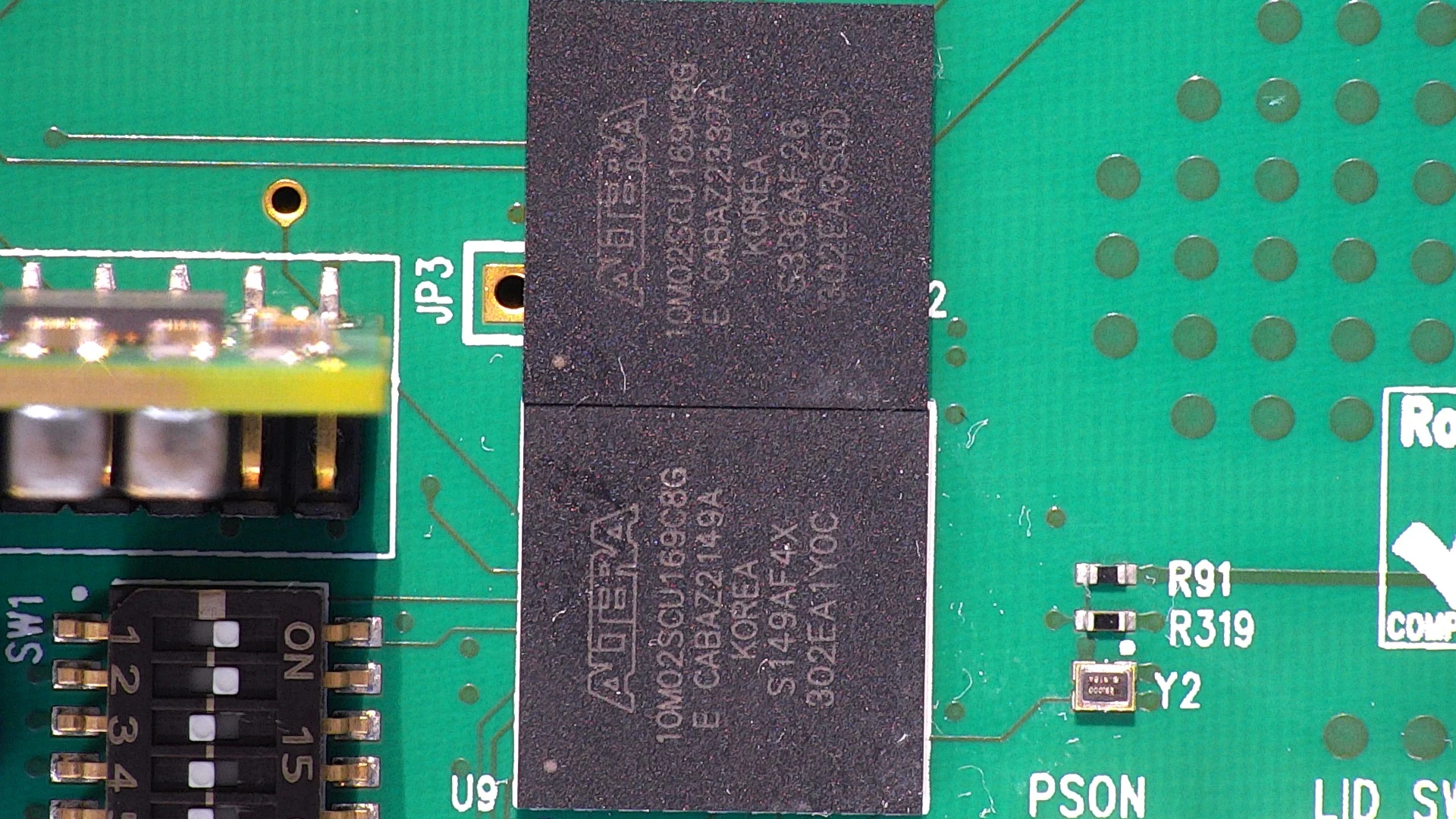
Counterfeit Authentication Testing is a critical service used to verify the authenticity of electronic components and products to protect manufacturers, suppliers, and consumers from counterfeit or substandard parts. Counterfeit parts can pose serious risks in industries such as aerospace, automotive, medical devices, and consumer electronics, where product reliability and safety are paramount. Altest Corporation in San Jose, CA, likely offers counterfeit authentication (authenticity) testing as part of its quality assurance and failure analysis services to help businesses prevent and detect counterfeit components.
Here’s an overview of counterfeit authentication testing, how it works, and how Altest Corporation might use it to support customers:
1. What is Counterfeit Authentication Testing?
Counterfeit authentication testing is a process designed to confirm whether a component, device, or product is genuine or counterfeit. This testing can involve a combination of visual inspections, advanced analytical techniques, and functional testing to detect anomalies that may indicate counterfeiting, such as unauthorized modifications, inferior materials, or substandard manufacturing practices.
2. How Counterfeit Authentication Testing Works
Counterfeit authentication testing typically involves several stages and techniques, depending on the type of component being tested and the methods used by counterfeiters. Below are the key components of the process:
Visual Inspection and Microscopy
- Markings and Logos: Counterfeit components often have slight differences in logos, text, or markings compared to authentic products. Visual inspection may reveal discrepancies in font, alignment, or size.
- Packaging Inspection: The packaging of counterfeit components may differ in quality or design compared to authentic packaging. Counterfeit parts may come in inferior or incorrect packaging, lacking the correct holograms, serial numbers, or barcodes.
- Surface Features: Using optical or electron microscopes, inspectors can examine surface features like solder joints, pads, and pins for inconsistencies. Counterfeit parts may have poor quality soldering or unusual wear patterns that are not typical of genuine parts.
X-ray Inspection
- Internal Structure: Just like 3D X-ray testing, X-ray inspection can be used to examine the internal structure of a component, such as ICs (integrated circuits) or capacitors. Counterfeit parts may have internal differences, such as incorrect die bonding, fake markings, or improper assembly.
- Failure to Meet Specifications: By comparing the X-ray images of a suspected counterfeit part with known good parts, inspectors can identify anomalies like fake die, misaligned internal components, or missing connections.
Electrical Testing
- Functional Testing: Components that appear genuine visually may still exhibit performance differences under normal operating conditions. Electrical testing is done to ensure the part meets the required performance standards (e.g., resistance, voltage, current behavior).
- Component Analysis: Counterfeit components may have performance characteristics outside the specified range. For instance, counterfeit semiconductors might show different voltage thresholds or current leakage when tested under stress conditions.
Chemical Analysis and Material Testing
- Solder Ball Composition: One of the most common ways counterfeit parts differ from genuine parts is the composition of materials, particularly solder balls. X-ray fluorescence (XRF) or other chemical analysis techniques like Scanning Electron Microscopy (SEM) with Energy Dispersive X-ray Spectroscopy (EDS) can be used to analyze the materials inside the component.
- Material Differences: Counterfeit parts often use substandard materials, which can be detected by examining the chemical composition of components, looking for trace elements or impurities that are inconsistent with original designs.
Die Analysis
- Die Markings: Advanced analysis can be done on the internal die of an integrated circuit. Counterfeit ICs often use recycled, reused, or fake die. A die attach inspection and visual comparison against authentic parts can reveal evidence of counterfeiting.
- Microsectioning: Microsectioning involves physically slicing a part to analyze its internal structure, which can reveal counterfeit components that don’t meet the quality or manufacturing standards of genuine parts.
Reverse Engineering
- Repackaging: A counterfeit part might be an older, unused part that has been repackaged or re-marked as a newer version. Reverse engineering techniques help detect whether the part’s design matches the specifications and manufacturing processes of the original.
3. Applications of Counterfeit Authentication Testing
Counterfeit authentication testing is particularly important in industries where high-performance, safety-critical components are used, and the risks of counterfeit parts are high. Some key industries where counterfeit authentication testing is crucial include:
Aerospace
Counterfeit components in aircraft systems can endanger passenger safety. Authentication testing ensures that avionics, power systems, and control systems are free from counterfeit parts.
Automotive
Counterfeit automotive parts, such as sensors, microcontrollers, or engine control units (ECUs), can lead to vehicle malfunctions, increased repair costs, or even accidents. Counterfeit authentication testing helps ensure vehicle safety and regulatory compliance.
Medical Devices
Counterfeit medical components, such as pacemakers, diagnostic devices, and implantable devices, can have life-threatening consequences. Counterfeit authentication testing is vital in ensuring patient safety and regulatory compliance.
Consumer Electronics
Counterfeit semiconductors, memory chips, and components used in smartphones, computers, and other consumer devices can lead to product failures, data breaches, or damage to customers’ devices.
Military and Defense
Counterfeit parts in defense systems (e.g., in radar, communications, weapons, or guidance systems) could have disastrous consequences. Testing helps maintain the integrity of defense technologies and national security.
4. Advantages of Counterfeit Authentication Testing
Prevention of Counterfeit Parts
The primary benefit of counterfeit authentication testing is that it helps detect counterfeit parts before they are integrated into products, preventing safety hazards, product failures, and costly recalls.
Compliance with Standards
Many industries, especially aerospace, automotive, and medical devices, have strict regulations (e.g., ISO 9001, AS9100, or FDA standards) that require proving the authenticity of parts used in manufacturing. Authentication testing helps ensure compliance with these regulations.
Brand Protection
Manufacturers are increasingly concerned with maintaining their brand reputation and protecting their customers from counterfeit goods. By performing authentication testing, manufacturers can ensure that only genuine parts are used, safeguarding both their reputation and customer trust.
Cost Savings
Early detection of counterfeit parts helps reduce costs related to product failures, warranty claims, recalls, or reputational damage. It can also prevent the further distribution of substandard or unsafe products.
Traceability
Authentication testing helps create traceable records of each part’s authenticity, enabling manufacturers and end-users to track the source of counterfeit parts if they are found in the supply chain.
5. Altest Corporation’s Role in Counterfeit Authentication Testing
Altest Corporation, based in San Jose, CA, would likely provide comprehensive counterfeit authentication testing services for a variety of industries. Their offerings could include:
Counterfeit Detection Services
Altest may offer a range of testing techniques, from visual inspections and X-ray imaging to material analysis and functional testing, to ensure the authenticity of parts and devices.
Supply Chain Audits
Altest might conduct audits of the customer’s supply chain, identifying potential sources of counterfeit parts and recommending actions to ensure that only authentic components are sourced.
Failure Analysis
If a counterfeit part is detected, Altest can perform failure analysis to determine the cause of failure and the potential risks associated with using counterfeit components. This could include analyzing electrical properties, materials, or reverse engineering.
Custom Authentication Testing
Depending on customer needs, Altest may design specific counterfeit testing protocols tailored to the type of product, such as specialized testing for semiconductors, PCBs, or medical devices.
Certification and Reporting
After performing counterfeit authentication testing, Altest would provide detailed test reports and certifications, which help businesses comply with industry standards and demonstrate due diligence in ensuring product authenticity.
Frequently Asked Questions About Counterfeit Authentication Testing
1. What Is Counterfeit Authentication Testing?
Counterfeit authentication testing is a process used to verify whether an electronic component, device, or product is genuine or counterfeit. Counterfeit component testing can involve visual inspection, advanced analytical techniques, electrical testing, X-ray inspection, and material analysis.
2. How Does Counterfeit Authentication Testing Work?
Counterfeit authentication testing typically involves multiple inspection and testing methods, including visual inspection, microscopy, X-ray inspection, electrical testing, chemical and material analysis, die analysis, microsectioning, and reverse engineering. The testing methods used depend on the type of electronic component being evaluated.
3. How Are Counterfeit Electronic Components Detected?
Counterfeit electronic components can be detected by examining markings, packaging, surface features, internal structures, electrical performance, material composition, and die characteristics. These inspections help identify differences between suspected counterfeit components and authentic parts.
4. What Testing Methods Are Used for Counterfeit Components?
Common counterfeit component testing methods include visual inspection, microscopy, X-ray inspection, electrical testing, X-ray fluorescence (XRF), Scanning Electron Microscopy (SEM), Energy Dispersive X-ray Spectroscopy (EDS), die analysis, microsectioning, and reverse engineering.
5. What Is Counterfeit Component Testing?
Counterfeit component testing is the process of examining electronic components to determine their authenticity and identify unauthorized modifications, inferior materials, substandard manufacturing, or other characteristics associated with counterfeit parts.
6. Can X-Ray Testing Detect Counterfeit Electronic Components?
Yes. X-ray inspection can examine the internal structure of electronic components and help identify anomalies such as incorrect die bonding, misaligned internal components, missing connections, or other differences when compared with known good parts.
7. How Does Electrical Testing Identify Counterfeit Parts?
Electrical testing evaluates the performance of an electronic component under specified operating conditions. It can identify characteristics outside the required range, including differences in resistance, voltage, current behavior, voltage thresholds, and current leakage.
8. What Industries Need Counterfeit Authentication Testing?
Counterfeit authentication testing is important for industries such as aerospace, automotive, medical devices, consumer electronics, military, and defense. These industries rely on reliable, authentic components where safety, performance, and product reliability are critical.
9. Why Is Counterfeit Parts Testing Important?
Counterfeit parts testing helps detect counterfeit electronic components before they are integrated into products. Early detection can help prevent product failures, safety hazards, costly recalls, warranty claims, and reputational damage.
10. How Does Counterfeit Authentication Testing Protect the Supply Chain?
Counterfeit authentication testing helps identify potentially counterfeit components and create traceable records of component authenticity. This can help manufacturers and end-users identify potential sources of counterfeit parts within the supply chain and support better quality control.