

DFT Engineering: Ensuring Product Reliability Through Design for Testability
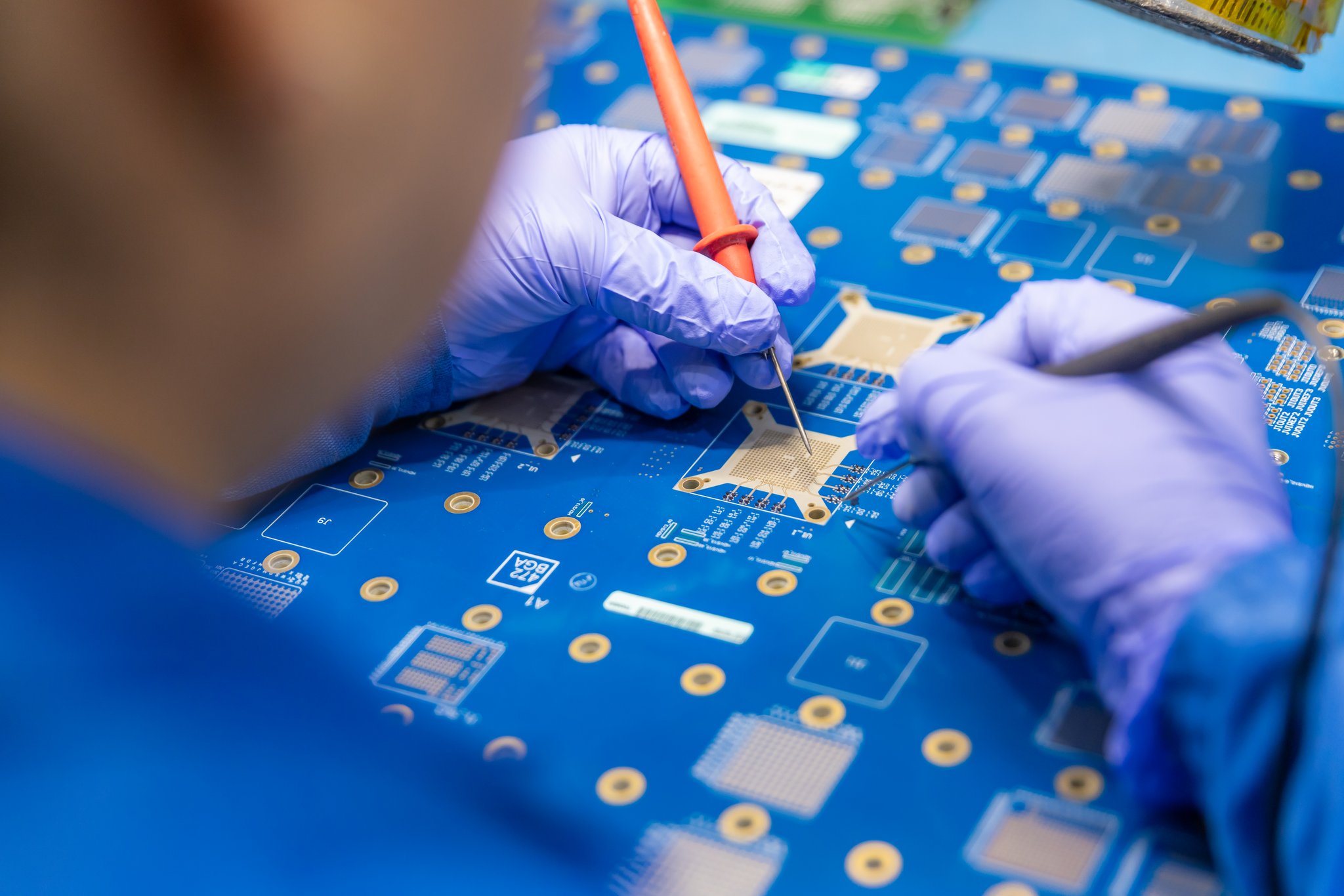
In the world of modern electronics and product development, ensuring the reliability and functionality of complex systems is crucial. One of the most effective strategies for achieving this is through Design for Testability (DFT) engineering. DFT focuses on designing products in a way that makes them easier to test during and after manufacturing, ensuring that any faults or defects can be quickly identified and rectified. This approach is especially important in industries such as electronics, automotive, aerospace, and telecommunications, where product failure can lead to significant costs, safety risks, and reputational damage. This article will explore what DFT engineering is, its importance, principles, and how it is applied in modern manufacturing.
What is DFT Engineering?
Design for Testability (DFT) is an engineering practice that integrates testability into the design phase of product development. The goal of DFT is to ensure that a product is designed in a way that allows for easy and efficient testing of its functionality, performance, and reliability throughout its lifecycle. DFT aims to create systems that are not only functional but also easy to diagnose, troubleshoot, and validate during production and after deployment.
DFT is particularly critical in industries where products are complex, have multiple components, and are expected to function in challenging environments. By addressing testing early in the design process, DFT helps ensure that products meet high standards of quality, reliability, and safety.
The Importance of DFT Engineering
Implementing DFT engineering principles offers several significant benefits to manufacturers and product developers, including:
- Reduced Testing Costs: By designing products for ease of testing, manufacturers can reduce the time, labor, and equipment costs associated with testing. DFT allows for the automation of testing processes, enabling faster and more accurate testing.
- Improved Product Quality: DFT helps identify potential issues early in the design process, reducing the likelihood of defects in the final product. It ensures that test coverage is comprehensive, leading to higher-quality products that meet customer expectations.
- Faster Time-to-Market: Effective DFT practices can streamline the testing process, allowing companies to identify and resolve issues more quickly. This accelerates the product development timeline, enabling companies to bring products to market faster.
- Enhanced Reliability and Safety: DFT ensures that products undergo thorough testing, which helps identify and address potential failure points before they can compromise the product’s performance or safety.
- Easier Maintenance and Repair: Products designed with testability in mind are easier to maintain and repair in the field. This improves product longevity and customer satisfaction, as issues can be quickly diagnosed and corrected.
Key Principles of DFT Engineering
Several core principles guide DFT engineering practices. These principles focus on improving the ease and effectiveness of testing throughout the product lifecycle:
- Test Access Points (TAPs): One of the main goals of DFT is to incorporate test access points into the design of a product. These are specific locations within a system where probes, test equipment, or diagnostic tools can be connected to facilitate testing. TAPs can include test pads, pins, or interfaces that make it easy to monitor and evaluate the behavior of circuits or components.
- Built-In Self-Test (BIST): BIST refers to the integration of self-test mechanisms within the product itself. This allows the product to perform a series of tests on its own, identify faults, and even provide diagnostic information. BIST systems are particularly useful for detecting failures in complex systems, like integrated circuits or automotive electronics, without requiring external testing equipment.
- Boundary Scan: Boundary scan, often used in printed circuit board (PCB) design, is a technique that allows testing of interconnections between components without physically accessing the pins or traces. This method is used to test and diagnose faults in devices at a more granular level, making it an invaluable tool in electronics design.
- Design for Diagnostics: DFT engineering also focuses on ensuring that products can be easily diagnosed in the field. This includes incorporating features such as diagnostic LEDs, error codes, or digital outputs that help technicians or end-users identify and troubleshoot problems efficiently.
- Test Coverage: A key aspect of DFT is ensuring that all critical parts of the product are adequately tested. This includes considering coverage for power, signals, and data flow, ensuring that all functional areas of the system are thoroughly validated.
- Minimizing Test Complexity: The more complex a system, the harder it is to test. DFT encourages the simplification of test procedures and the design of systems in a way that reduces the number of test steps needed. Simplified designs often involve fewer test points and less complex setups, reducing time and costs.
DFT in Action: Implementation Across Industries
DFT principles are applied in various industries to enhance product performance, ensure reliability, and reduce testing costs. Let’s take a closer look at how DFT is implemented in different sectors:
- Electronics and Semiconductor Industry: In the electronics sector, especially in the development of integrated circuits (ICs), DFT plays a pivotal role. Techniques like boundary scan, scan chains, and BIST are used to ensure that each chip functions correctly before it reaches the end user. DFT allows manufacturers to identify defects such as faulty transistors or broken connections early in the production cycle, reducing the risk of mass recalls.
- Automotive Industry: Modern vehicles are equipped with numerous electronic systems, from infotainment to engine control units (ECUs). DFT is crucial for ensuring that these systems work seamlessly. Automotive manufacturers use DFT to test the functionality of sensors, actuators, and ECUs, as well as the integration of these systems into the vehicle’s overall infrastructure. Ensuring that each component is thoroughly tested helps prevent costly recalls and ensures the safety of drivers.
- Aerospace and Defense: In the aerospace and defense industries, where product failure can have catastrophic consequences, DFT is implemented rigorously. Aerospace components, such as avionics, control systems, and communications equipment, must undergo extensive testing to meet stringent safety and performance standards. DFT tools like BIST and fault simulation are used to verify the reliability of these systems in extreme conditions.
- Consumer Electronics: For consumer electronics such as smartphones, tablets, and home appliances, DFT is essential for ensuring the quality and functionality of each product before it reaches consumers. DFT techniques allow manufacturers to identify hardware and software defects quickly, ensuring products meet the high expectations of users for performance and durability.