

Understanding the Role of BGA Services in the Manufacturing Industry
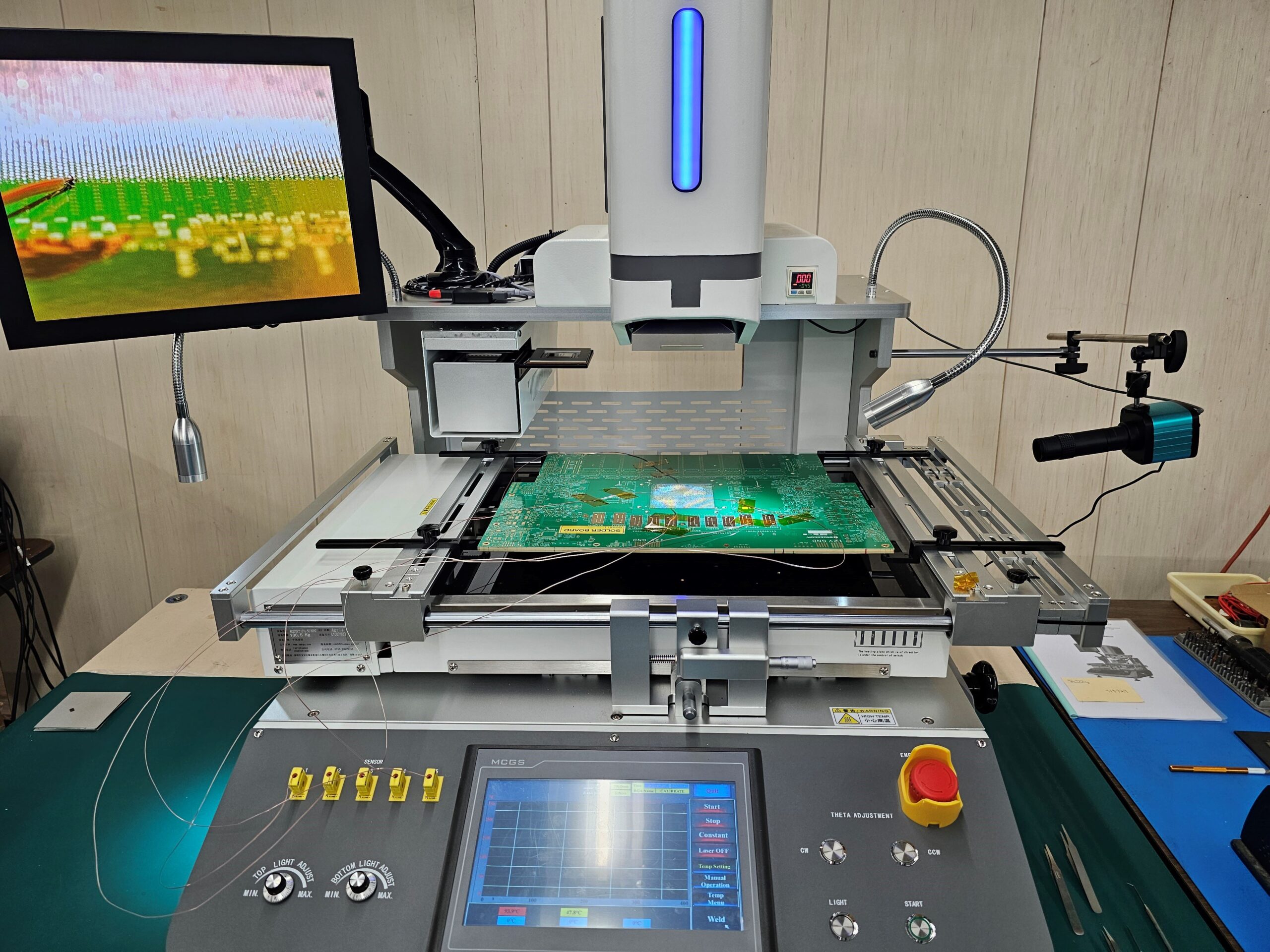
Ball Grid Array (BGA) technology has transformed the electronics manufacturing industry, particularly in applications requiring compact, high-density assemblies. BGA services, ranging from rework to repair and testing, are essential for ensuring reliability and functionality in devices, especially those used in advanced and mission-critical applications like telecommunications, medical devices, automotive electronics, and aerospace systems. This article explores the significance of BGA services, the types of services provided, and their value to the manufacturing industry.
What is BGA?
Ball Grid Array (BGA) is a surface-mount packaging technology used to mount microprocessors and integrated circuits (ICs) onto printed circuit boards (PCBs). Unlike traditional dual in-line or flat-pack packages, BGA uses an array of solder balls on the underside of the package as connection points, allowing for higher pin counts, reduced package size, and enhanced thermal and electrical performance. BGA packages are commonly used in modern electronics where size, weight, and functionality are critical.
Types of BGA Services in Manufacturing
- BGA Assembly Services
Soldering and Placement: Accurate placement of BGA components on PCBs is essential due to the small size and tight tolerances of the solder balls. Advanced equipment, such as pick-and-place machines, ensures precise alignment and attachment.
Reflow Soldering: After positioning, reflow ovens are used to heat the board, causing the solder balls to melt and form reliable electrical connections. This step is crucial for achieving uniform solder joints.
BGA Rework and Repair Services
Component Removal and Replacement: When BGA components become faulty or need updating, specialized rework equipment can desolder and remove the component without damaging the PCB. After removal, a new BGA component can be soldered in place.
Reballing Services: If solder balls become damaged or require replacement, reballing services allow for removing the old solder balls and attaching new ones. This can be more cost-effective than replacing the entire component, especially for high-value ICs.
Inspection and Testing Services
X-Ray Inspection: BGA components are notorious for their hidden solder joints, as the solder balls are positioned on the underside. X-ray inspection systems can visualize these connections and detect issues like solder voids, bridging, or misalignment.
Automated Optical Inspection (AOI): AOI systems check for placement accuracy, component orientation, and the presence of solder on each pad, providing an additional layer of quality assurance.
Functional Testing: Ensuring that the BGA-mounted IC performs its intended function is essential. Functional tests simulate real-world conditions and evaluate performance, ensuring reliability in the field.
Thermal and Mechanical Stress Testing
Thermal Cycling Tests: BGA packages can experience significant thermal expansion and contraction in use, potentially causing stress on solder joints. Thermal cycling tests evaluate solder joint integrity and longevity under fluctuating temperatures.
Vibration Testing: In industries like automotive and aerospace, BGA-mounted components must withstand high-vibration environments. Vibration testing assesses the robustness of BGA connections in these conditions.
The Importance of BGA Services in Manufacturing
Enhanced Reliability: BGA packages offer high reliability when properly manufactured and tested, making them ideal for applications requiring consistent performance, such as medical and military devices.
Space and Performance Optimization: With the growing demand for smaller devices that perform complex tasks, BGA packaging enables manufacturers to optimize space on PCBs, which is crucial in mobile devices, wearables, and IoT applications.
Cost Savings Through Rework andRepair: Repairing faulty BGA components, whether through rework orreballing, helps reduce waste and can lead to significant cost savings. Manufacturers often prefer rework services over replacement, especially for high-value or scarce components.
Support for High-Frequency Applications: BGA packaging is particularly advantageous for high-frequency electronic applications, where minimizing signal loss and interference is critical. The package’s design enhances performance for applications like 5G infrastructure and high-speed data centers.
Quality Assurance: BGA inspection services, such as X-ray and AOI, ensure high-quality output and help manufacturers maintain compliance with industry standards. Detecting andaddressing potential defects during assembly leads to improved device reliability and customer satisfaction.